
WHAT YOU MUST SEE
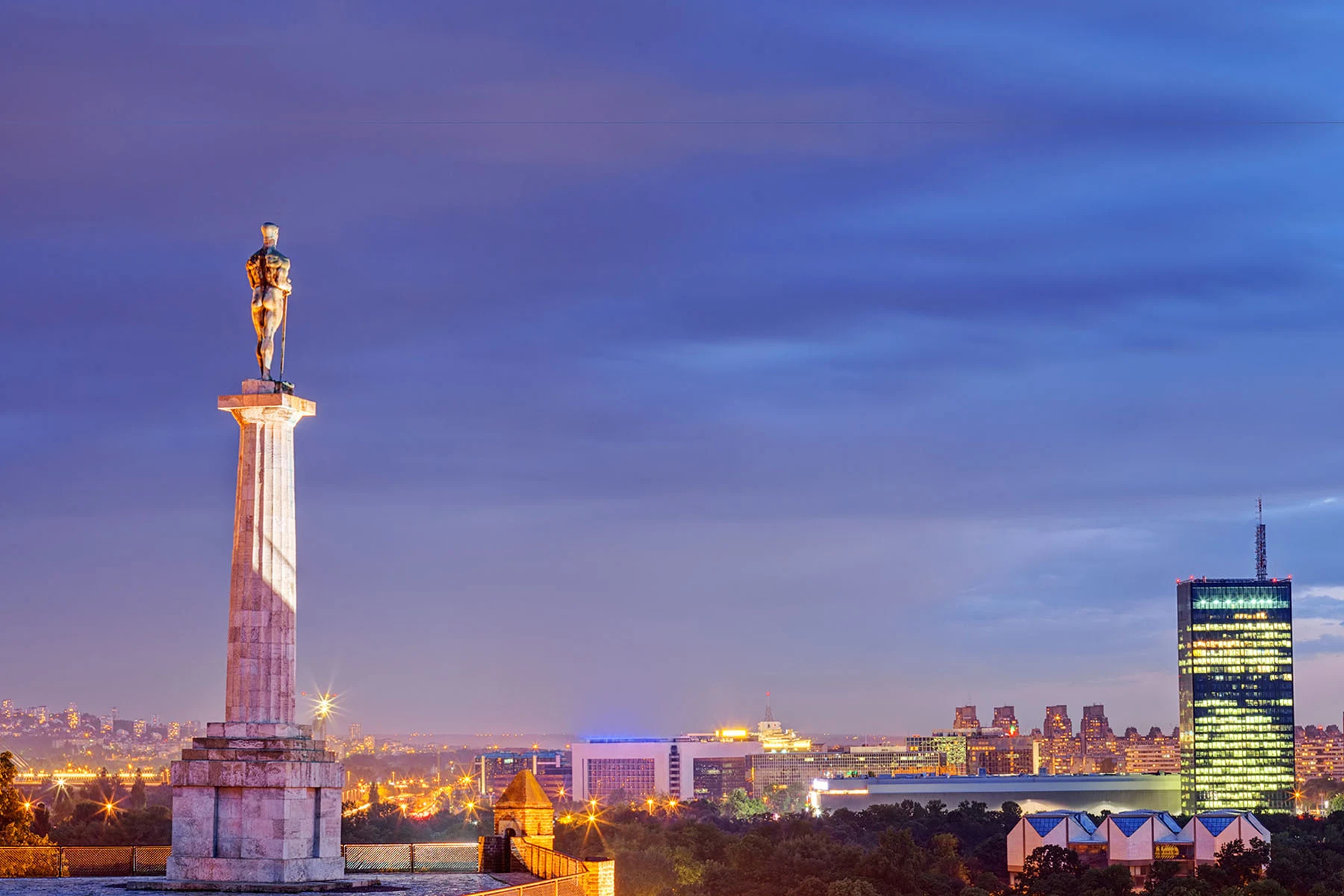
Your apartment is located in the centre of the old town, in a pedestrian zone, from where you can simply and easily, on foot, visit and get to know the most interesting and attractive tourist spots. In your immediate surroundings, there are ambient units that most fully revive the Belgrade of the 19th and early 20th century, recommended by all our and foreign travel agencies.
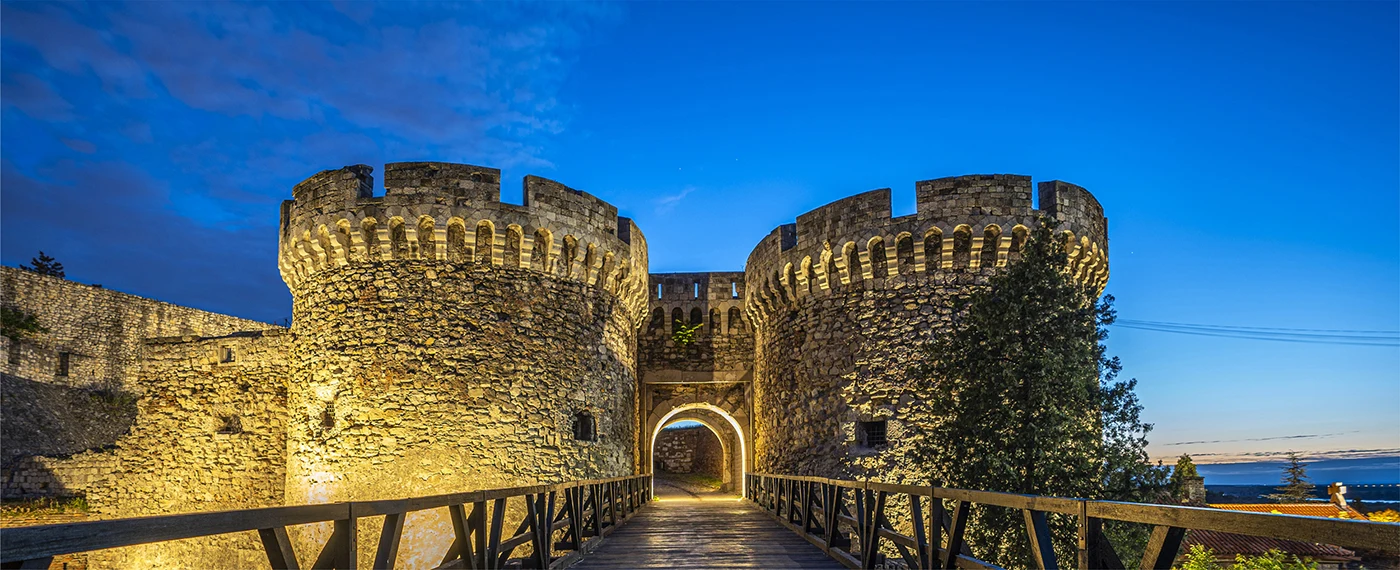
The most interesting unit is the Belgrade fortress with Kalemegdan, because it is the origin of today’s Belgrade, its urban core through centuries. In this area, a series of cultural layers intertwine: Celtic, Roman, Hungarian, Byzantine, Turkish, and Serbian. This spacious complex consists of a fortress, divided into the upper and lower towns, and Kalemegdan Park. The name Kalemegdan refers to a large plateau around the fortress, upper and lower town, which, according to the order of Prince Mihajlo Obrenović, was turned into a park in the 1880s. It served to look at the enemy and wait for the fight, therefore, its name comes from the Turkish words “kale”, which means the field, and “megdan”, which means fight. The Turks called Kalemegdan also “Fićir-bajir”, which means a hill for contemplation.
The Old Town was a military seat for a long time from the end of the 18th century, and in 1867, after the withdrawal of the Turks, a large part of the territory was transformed into Kalemegdan Park on its outer walls. Immediately it became the main city promenade and the inevitable route of domestic and foreign tourists. It is, perhaps, one of the most beautiful European parks, from whose terrace vistas extend to the vast Pannonia and magnificent scenery – the meeting of the great Sava and Danube rivers.
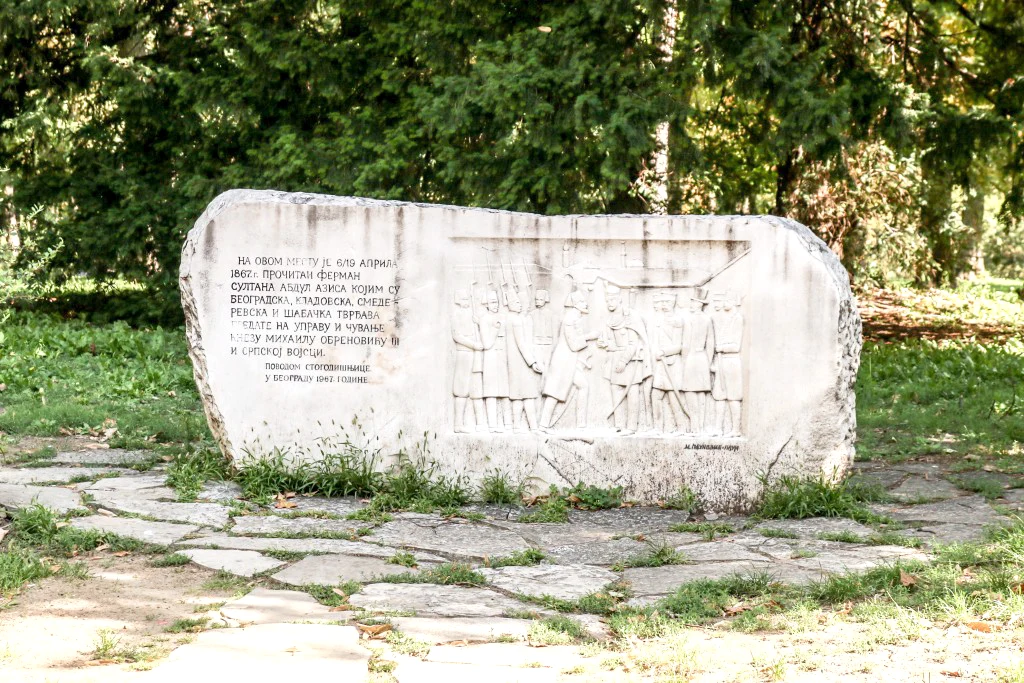
In the lower part of the fort there is the “Memorial of the handover of the keys to Belgrade fortress”, built in 1967 in a stone where the event is shown in the relief. The monument was erected in the same place, where, on the sixth of April 1867, golden keys were symbolically handed over, and a firman of Sultan Abdul Azis read, by which Belgrade, Kladovo, Smederevo, and Šabac fortresses “were surrendered to the administration and safekeeping of Prince Mihailo Obrenović and the Serbian Army”.
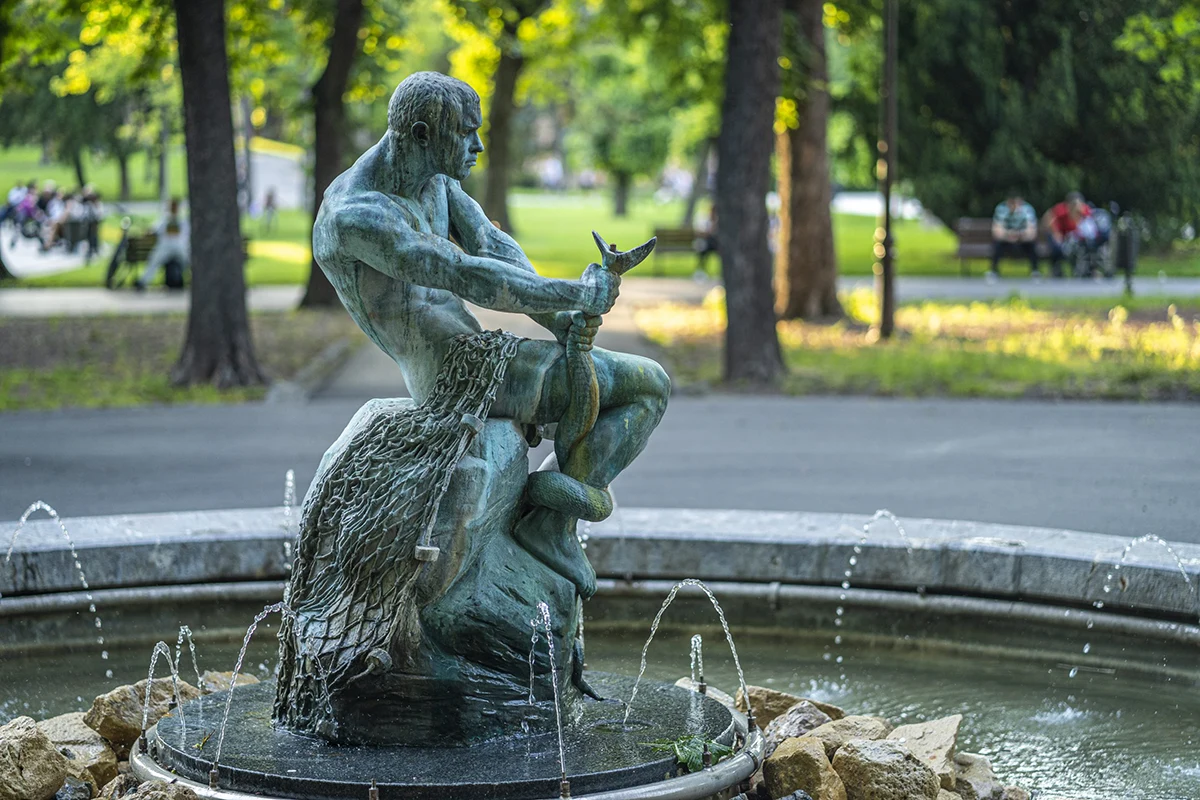
To the left of the entrance to the park is a monument “Struggle” (fisherman’s struggle with the snake) with a fountain, which is a man’s fight with the monsters, the work by Toma Rosandić in 1906.
Straight from the entrance is the impressive “Monument of Gratitude to France”, in bronze and marble, by Ivan Meštrović. It was erected in 1930 by the Society of Friends of France and Serbian School Alumni. The monument is dedicated to French military, economic, and medical assistance to Serbia during the First World War. Right from the entrance to the park are busts to many deserving Serbs, writers, politicians, actors, composers (Jovan Skerlić, Aleksa Šantić, Stevan Mokranjac, Bora Stanković, and others). In 1938, at the foot of Jakšić’s tower, a memorial ossuary to Serbian warriors, who died in 1915 in the defence of Belgrade, was built. At the entrance to the Upper Town, at the King’s Gate there is a “Roman well”, 60 metres deep, built by the Austrians in the first decades of the 18th century. Nearby is the magnificent monument to the despot Stefan Lazarević.
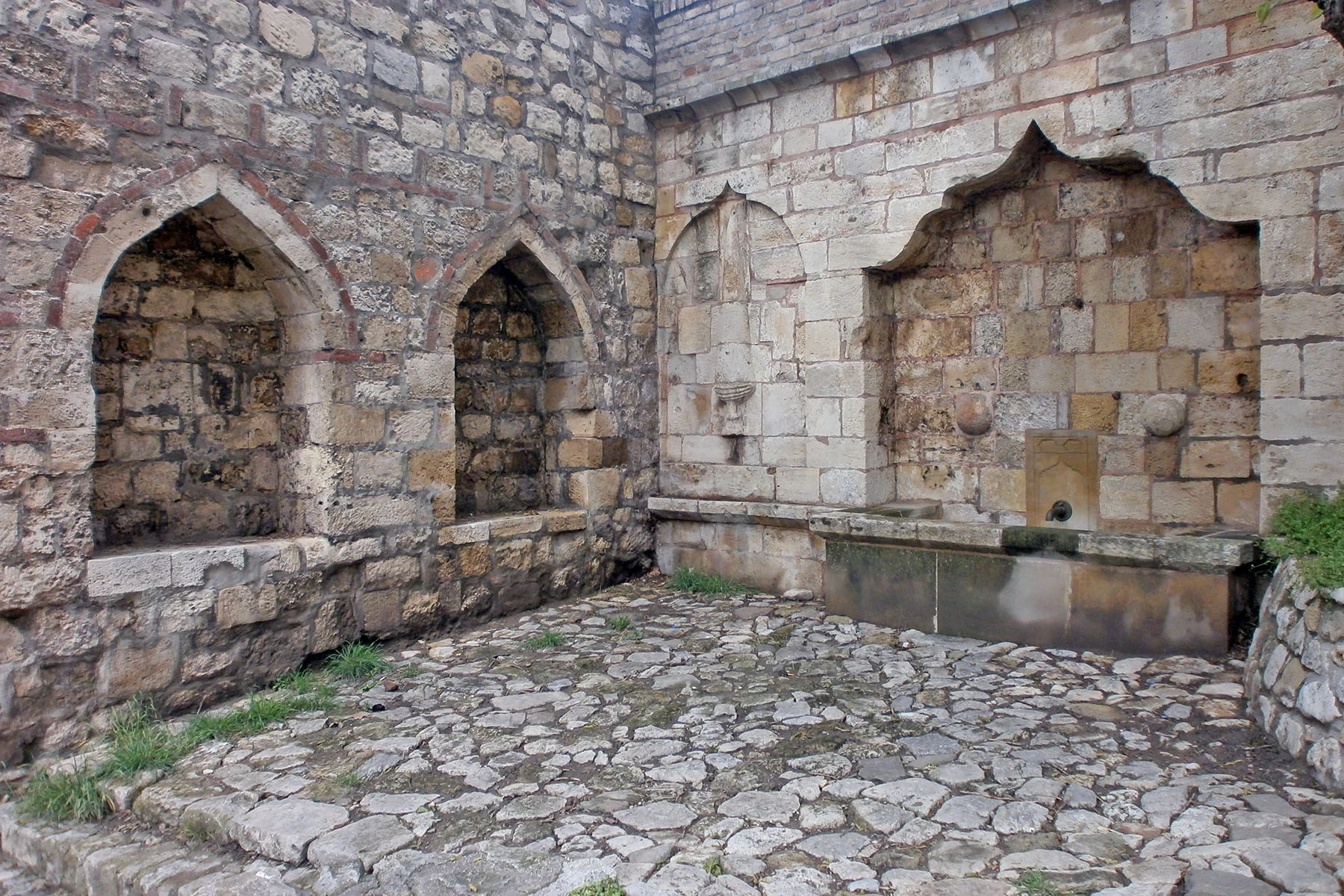
Next to the Dizdar Gate, Mehmed-paša Sokolović built a memorial fountain in 1576 as his endowment.
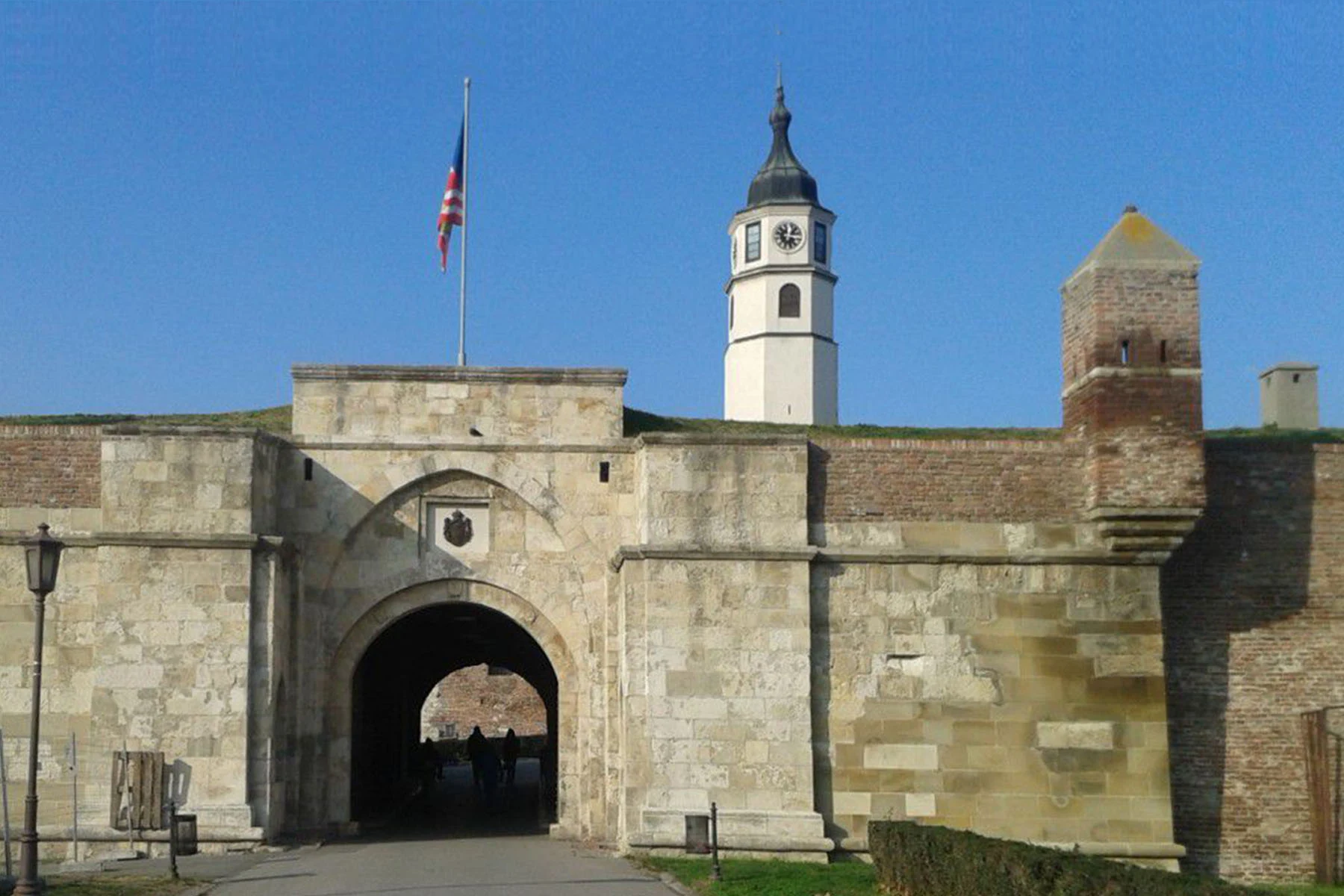
Impressive is the Clock Tower from 1218, used by the Turks as a lookout point.
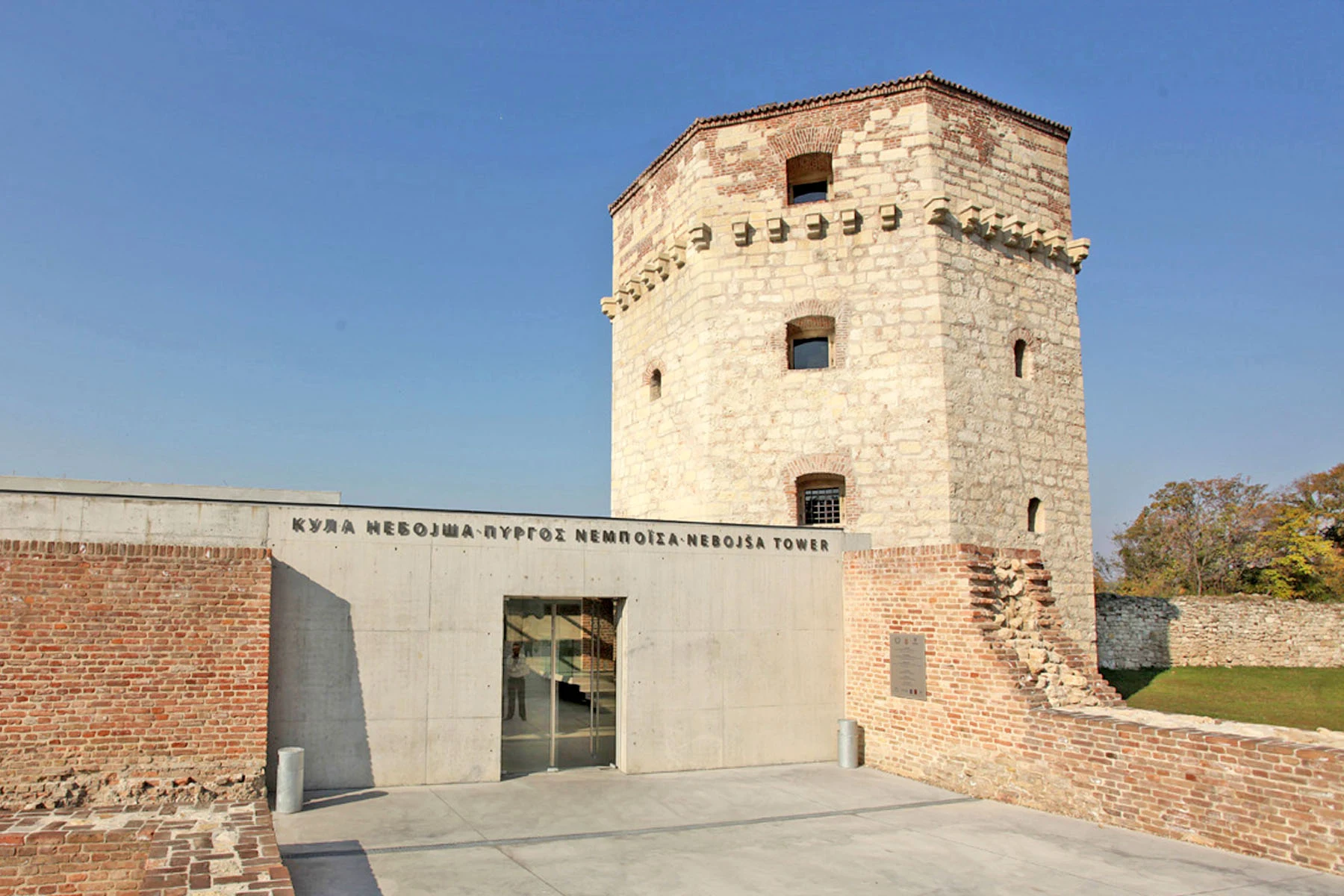
Nebojša Tower, on the very shore of the Sava River, from the 18th century, got its name after the old tower of the same name, built in 1460, burnt by the Turks during the conquest of Belgrade. Today’s tower served as a Turkish prison, where theGreek poet and the revolutionary, Rigas Feraios, was imprisoned and killed. Jevrem, the brother of Miloš Obrenović, was also imprisoned here.
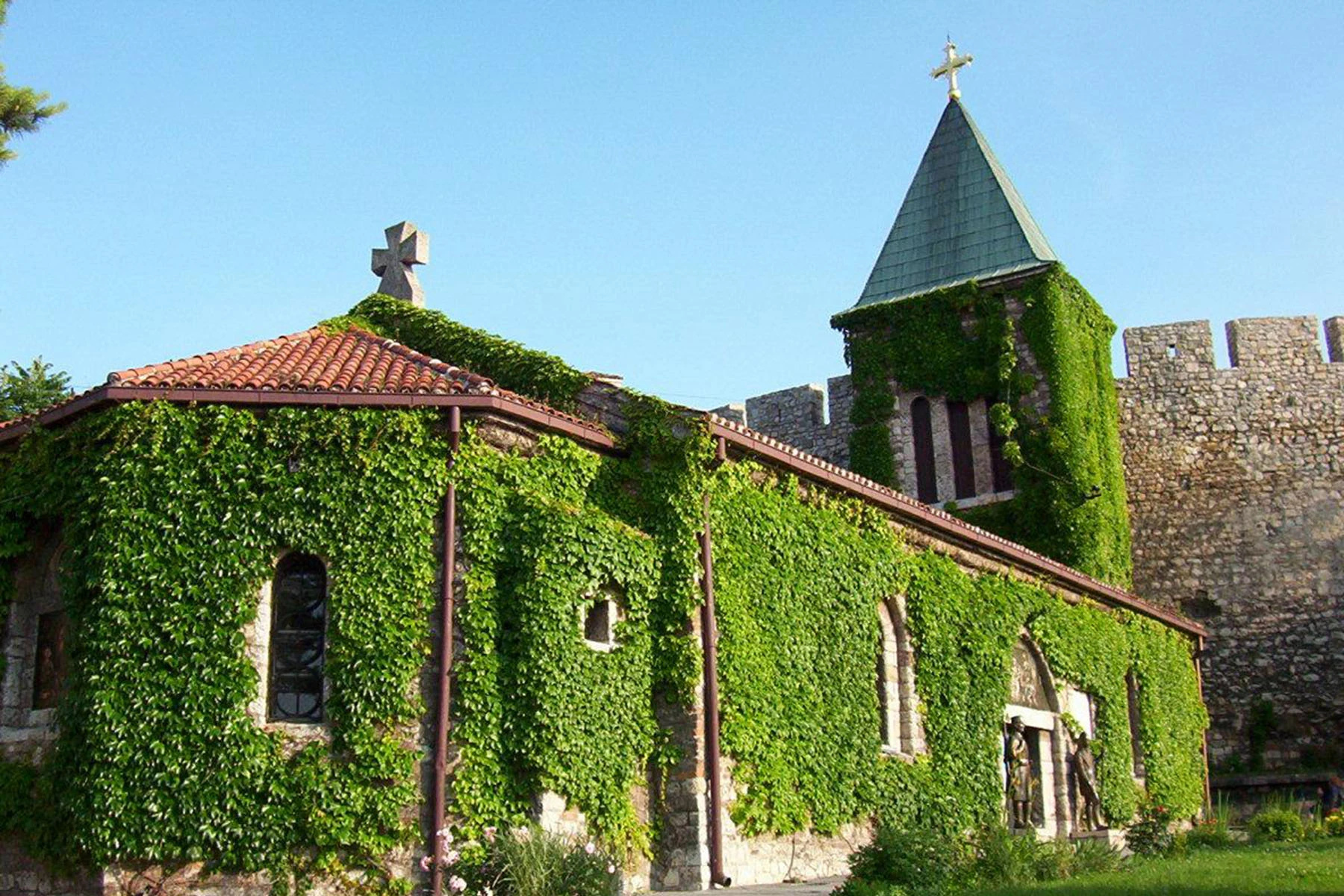
Because of its history and appearance, the church “Ružica” is a very attractive religious building, which was in 1730 Austria raised as a gunpowder plant and a weapon warehouse. After acquiring freedom in 1867, it was turned into a church. It is interesting that sabres, swords, and shells were used for the renovation of the building after the First World War.
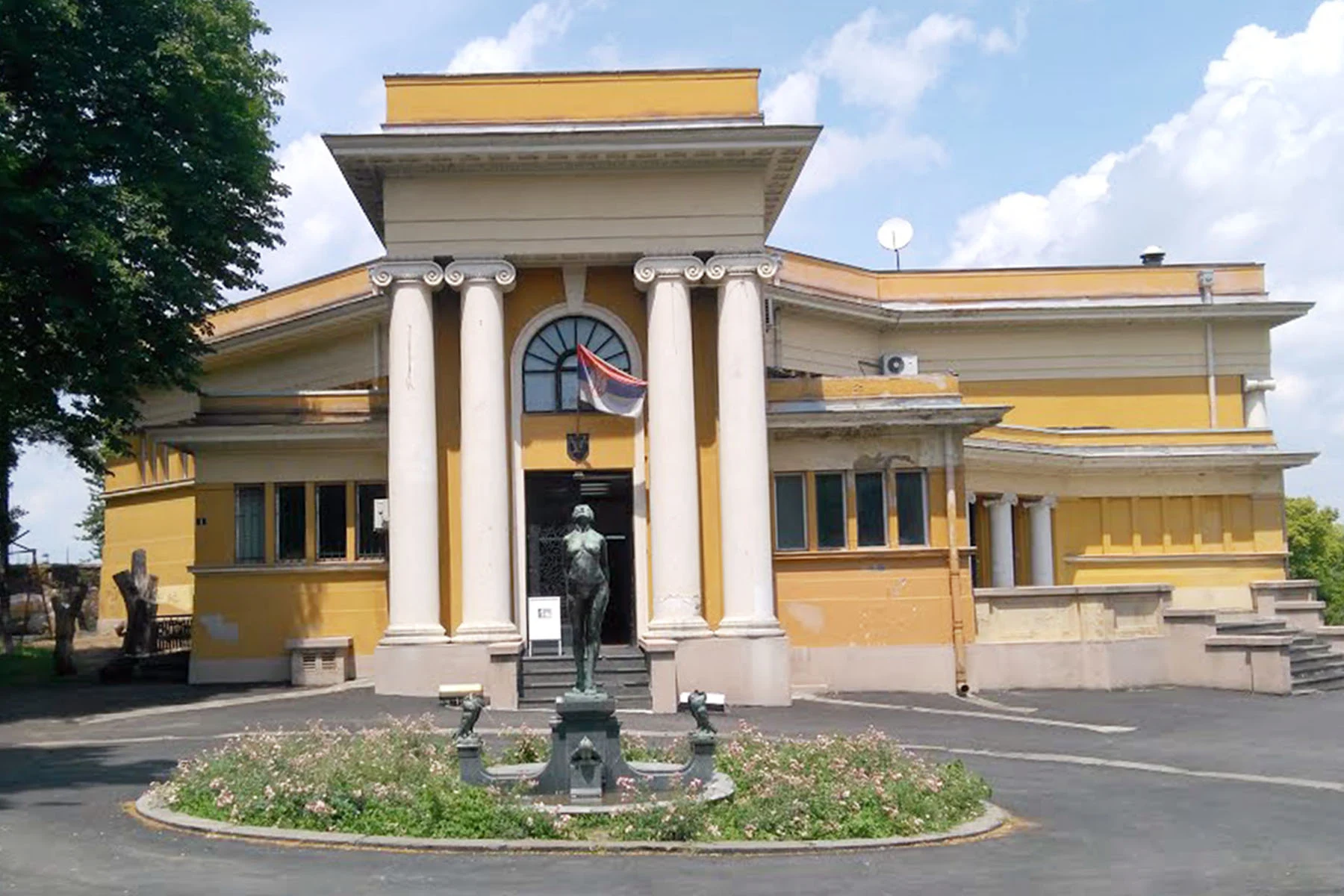
In Small Kalemegdan there is an artistic pavilion “Cvijeta Zuzorić”, with a permanent exhibition hall of fine arts. Every year, the “October Salon of Fine Arts’ is organised here. In front of the building there is a very beautiful fountain “Awakening”, in bronze, built in 1936.
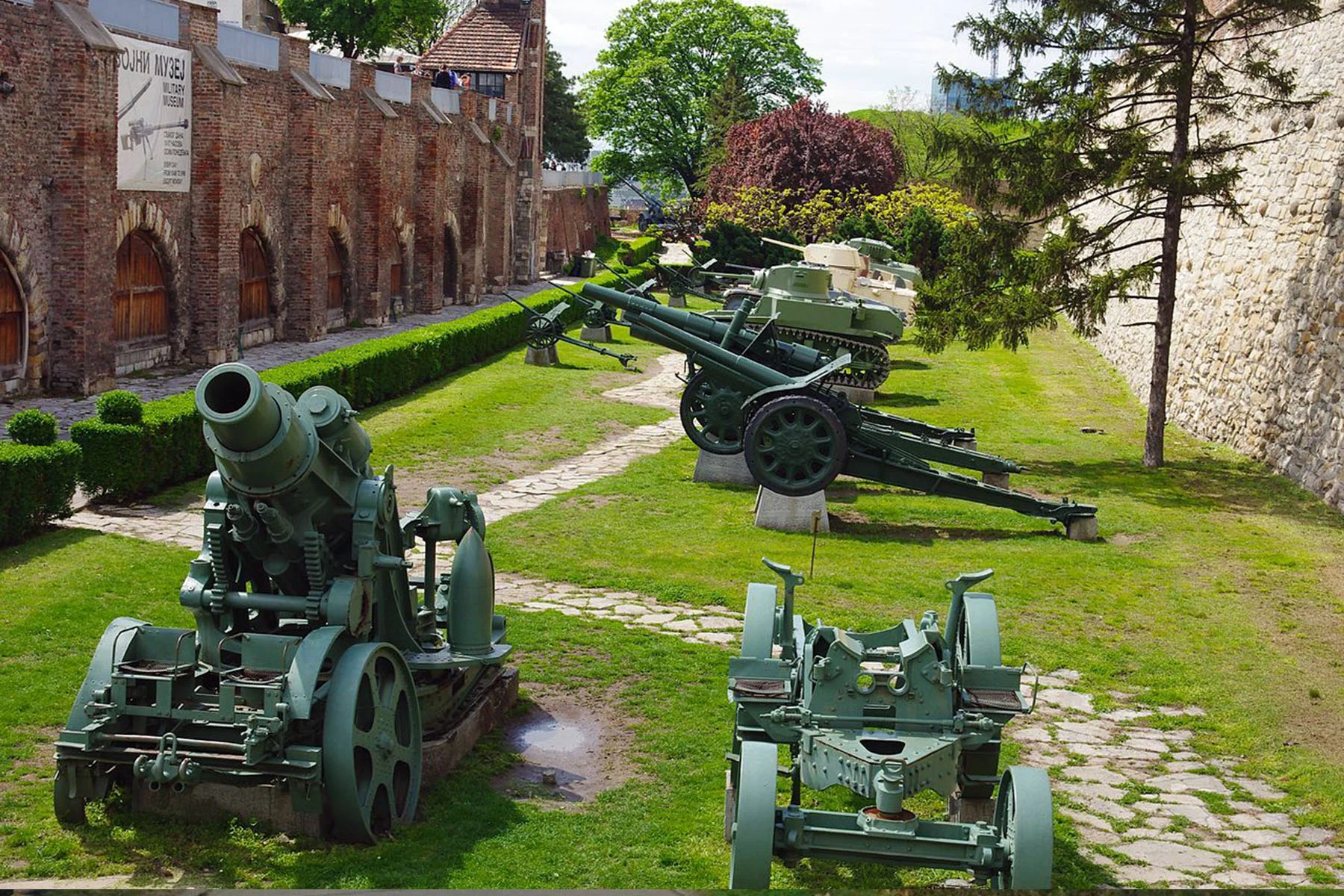
Although founded in 1878, the military museum was first opened in 1904 in the upper town of Belgrade fortress. There are about 40,000 exhibits and the following collections: prehistory, antiquity, and western weapons; oriental weapons, national flags until 1918, factory weapons until 1918, military clothing and decorations, paintings from the 17th to the 20th century, flags from 1918 to 1945, medals from 1918 to today. In over 50 rooms there is material that can be divided into four basic units: the first is war history from the 8th to the 14th century; the second is the period of the Turkish administration from the 14th to the 19th century; the third represents the struggle of the Yugoslav people for liberation from the first Serbian uprising in 1804 until the end of the First World War; the fourth is the struggle for liberation from 1941 to 1945. Among the most interesting exhibits are: two Turkish spears and Turkish vezier armour from the Kosovo battle, an old weapons, uniforms, and war flags collection. Beyond the building of the Museum there are self-filling guns from the 18th and 19th centuries, heavy weapons from the First and Second World War.
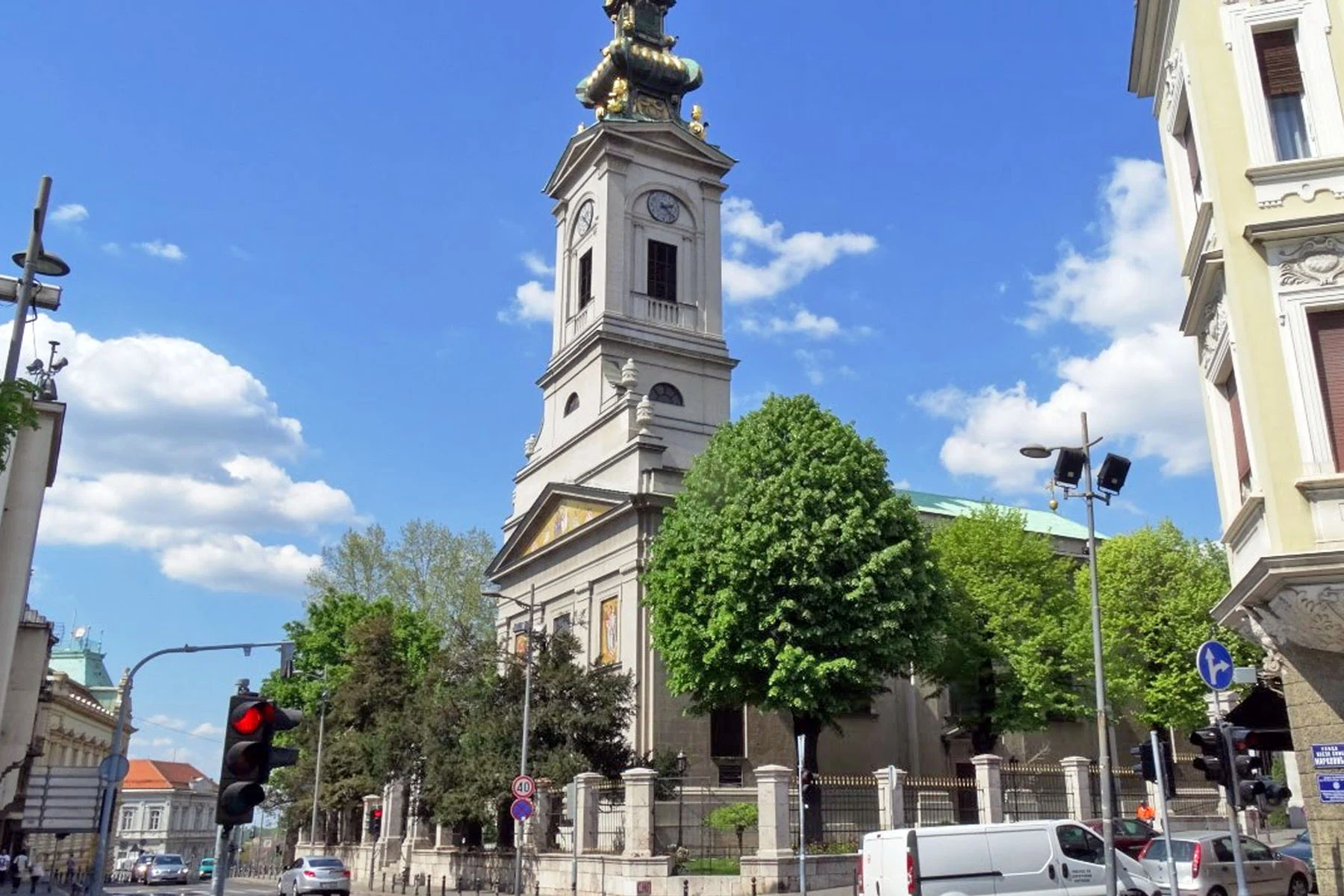
A very attractive ambient unit is the area around Orthodox Cathedral, formerly called Varoš-kapija. During the 18th and the first half of the 19th century, while the town was enclosed by a bar, in this part stood Varoš-kapija, which was named after the fact that it was used to enter the Sava town – the Serbian part of the town. After the relocation of the old Serbian cemetery (between Brankova, Pop Lukina, and the lower part of Maršala Birjuzova streets) to Tašmajdan in 1826, this region was rapidly developing. Residential buildings were built, as well as commercial, grocery, pottery, bakery, drapers, and tailors. Here, significant cultural and other institutions of a young, just liberated Serbia were placed, which have long sincegone: the first library, the first printing house, the first court, theology, pharmacy, and others. Famous Serbs lived and worked here: Sima Milutinović Sarajlija, Joakim Vujić, Vuk Stefanović Karadžić, Branko Radičević, and others. Three old buildings have survived and continue to attract with their beauty.
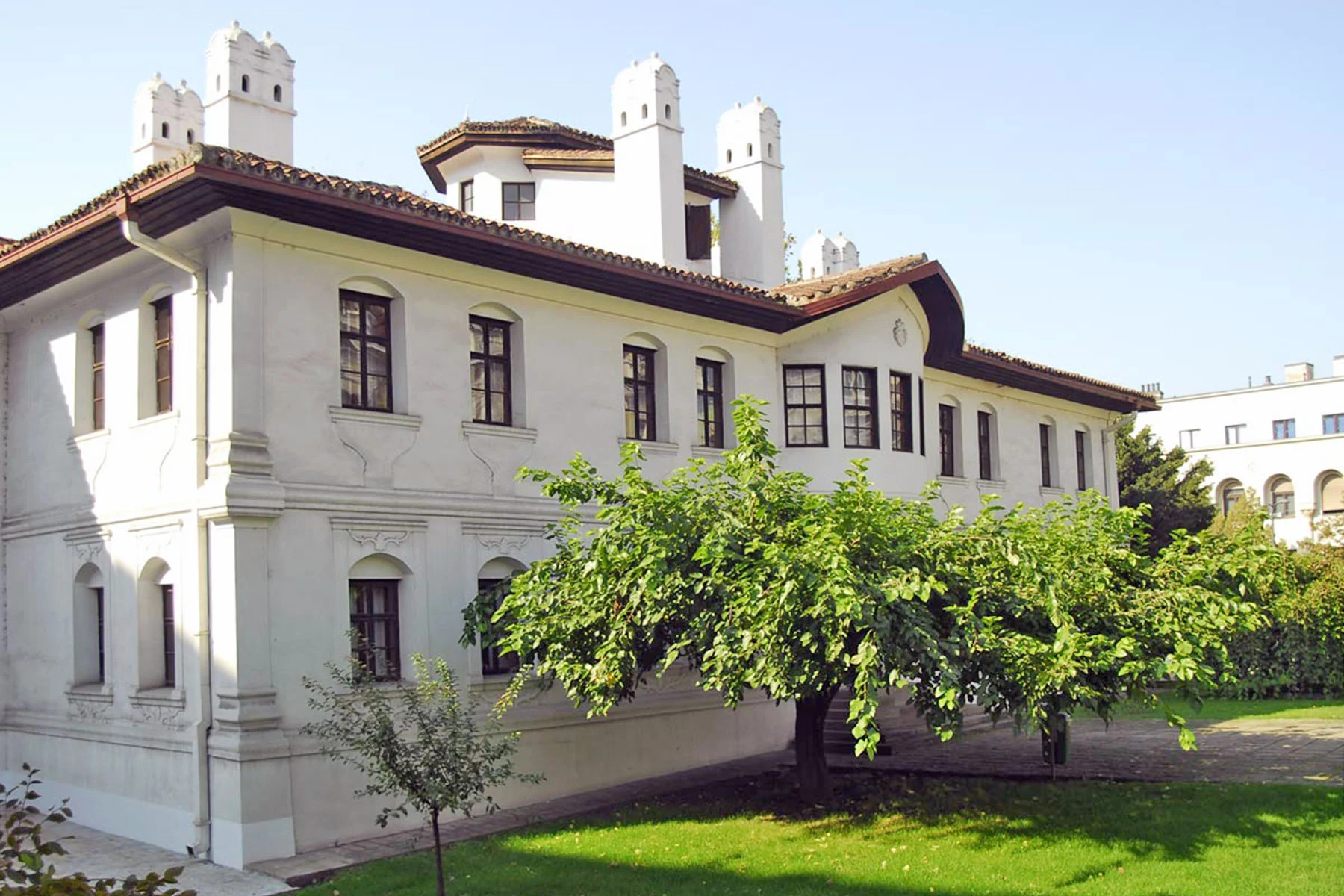
Princess Ljubica’s Residencewas erected in the 1830s, in the so-called Serbian-Balkan style, as the family house of Prince Miloš Obrenović. It is the most representative house from the first half of the 19th century. Since the coming to power of the Karađorđević dynasty, it served as a lyceum, court, art and church museum.
The Orthodox Cathedral was built in 1841 at the place of the 18th-century church using funds of the Belgrade municipality and with the help of the state and Prince Miloš Obrenović. It was built in a cathedral style, under the influence of the then ruling classicism. Great attention is paid to artistic and craft works. Vuk Stefanović Karadžić and Dositej Obradović were buried in its port. In the church crypt there are the graves of the Princes Miloš and Mihailo Obrenović, as well as the relics of Emperor Uroš. In the Orthodox Cathedral, the anointing of the princes and kings and the enthronement of the patriarch were carried out.
Across the Cathedral there is a grandiose building of the Patriarchate of the Serbian Orthodox Church, in which a rich library of rare and old books is kept, and the Museum of the Serbian Orthodox Church, which has existed since 1856. Among the exhibits of the Museum, special attention is drawn to “Eulogy for Prince Lazar” from 1408, embroidered on silk, the work of Jefimija Mrnjavčević, the first Serbian female poet, and the Charter of Prince Lazar to the monastery Ravanica from 1381.
The museum contains collections of: ecclesiastical paintings, portraits of priests, old Serbian engravings, manuscripts and old Serbian books, all kinds of clothes, various sacred objects (from metal, wood, bone, mother-of-pearl, leather), medieval Byzantine seals, a rich collection of icons and historical documents (manuscript from 1434 written by the order of Despot Đurađ Branković), the first book printed in Belgrade in 1552, the shroud of King Milutin from the beginning of the 14th century.
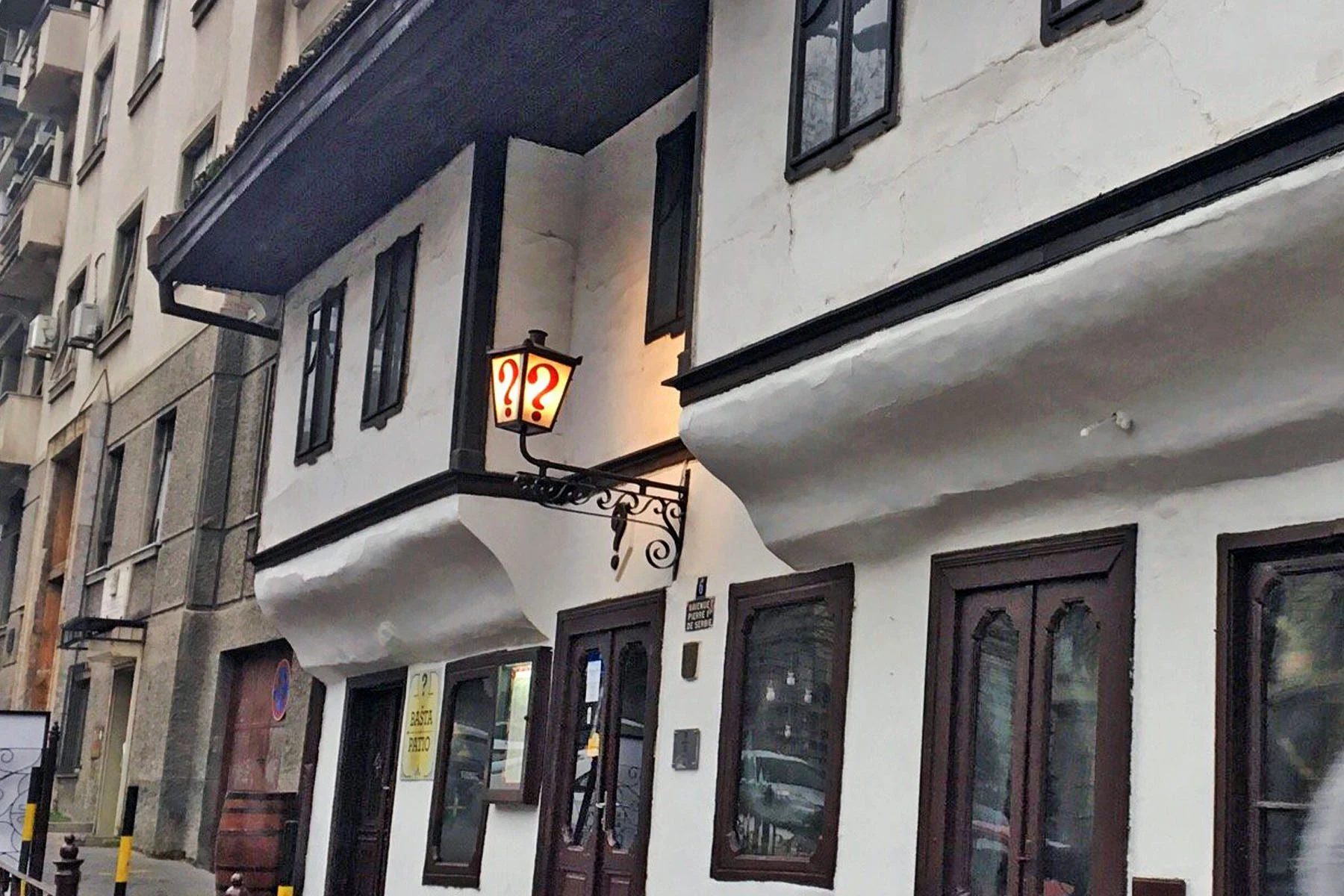
A great tourist attraction is the oldest Belgrade tavern “?”, located across from the Orthodox Cathedral building. This residential building, in the Serbian-Balkan style, was built about 1820 by Prince Miloš Obrenović, and then he donated it to Naum Ičko, his commercial consul. Since 1878, it changed its owners and titles, and in 1892 the title “At the Cathedral” was posted, but it was immediately removed by the church authorities and the Ordinance on taverns. The owner, as a temporary solution, only posted “?”, and that name remained until today. It is known that Vuk Stefanović Karadžić came to this tavern in the 1930s, that in 1834 the first billiard in Belgrade was placed in it, and that the “first reading place of the newspaper” was there that year.
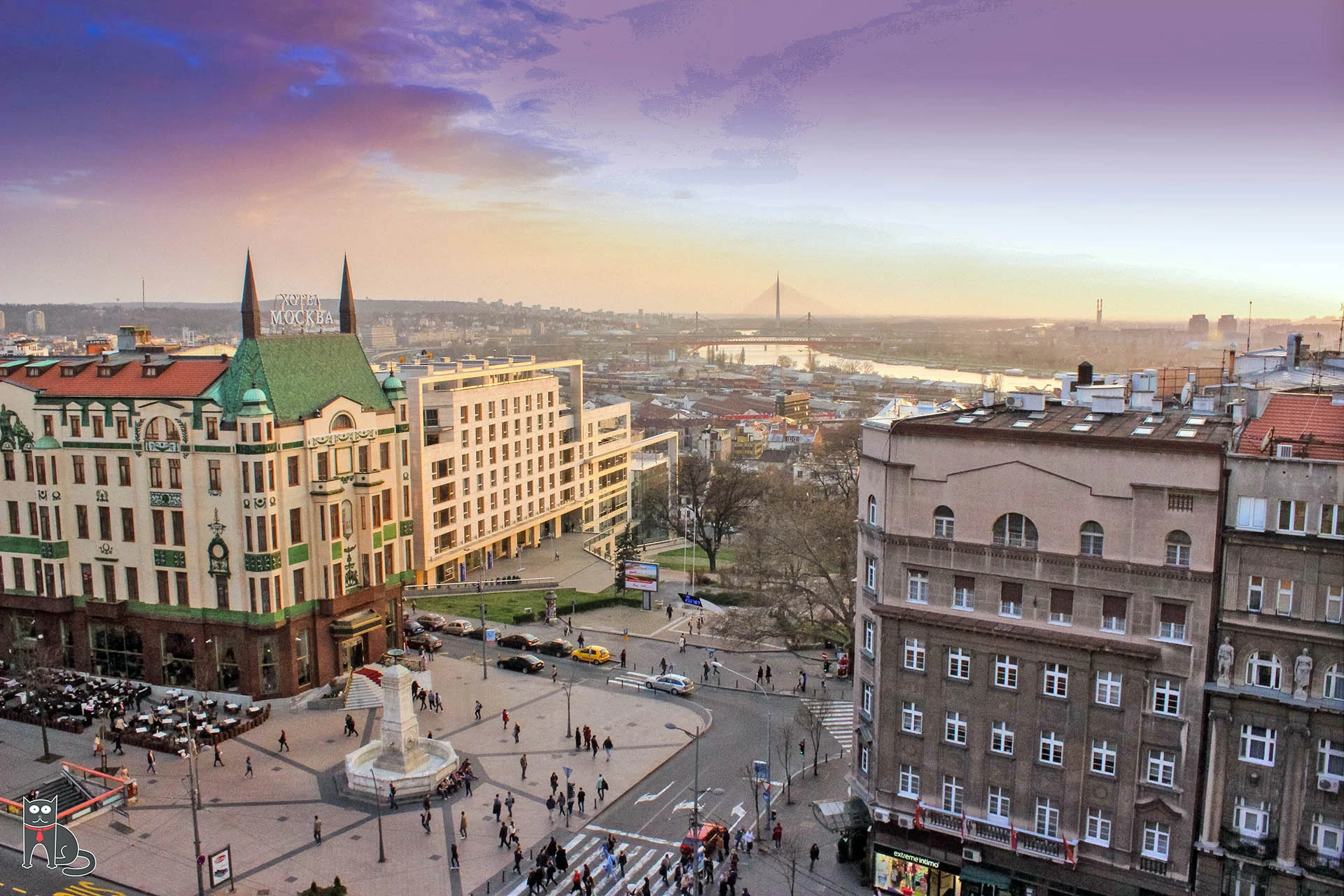
Terazije is the central town square and the surrounding neighborhood of Belgrade, Serbia. It is located in the municipality of Stari Grad.
Today, Terazije has primarily function of the main transit square, surrounded by the important public buildings, cultural institutions, hotels, public monuments and parks. Though not classically shaped square, Terazije was historically important as the gathering spot and the former business and commercial center of Belgrade. With the Knez Mihailova Street, which extends to the northeast connecting directly Terazije and Belgrade Fortress, the square is one of the oldest and most recognizable ambience units of Belgrade. Due to its historical and cultural importance, Terazije was declared a protected spatial cultural-historical unit in January 2020.
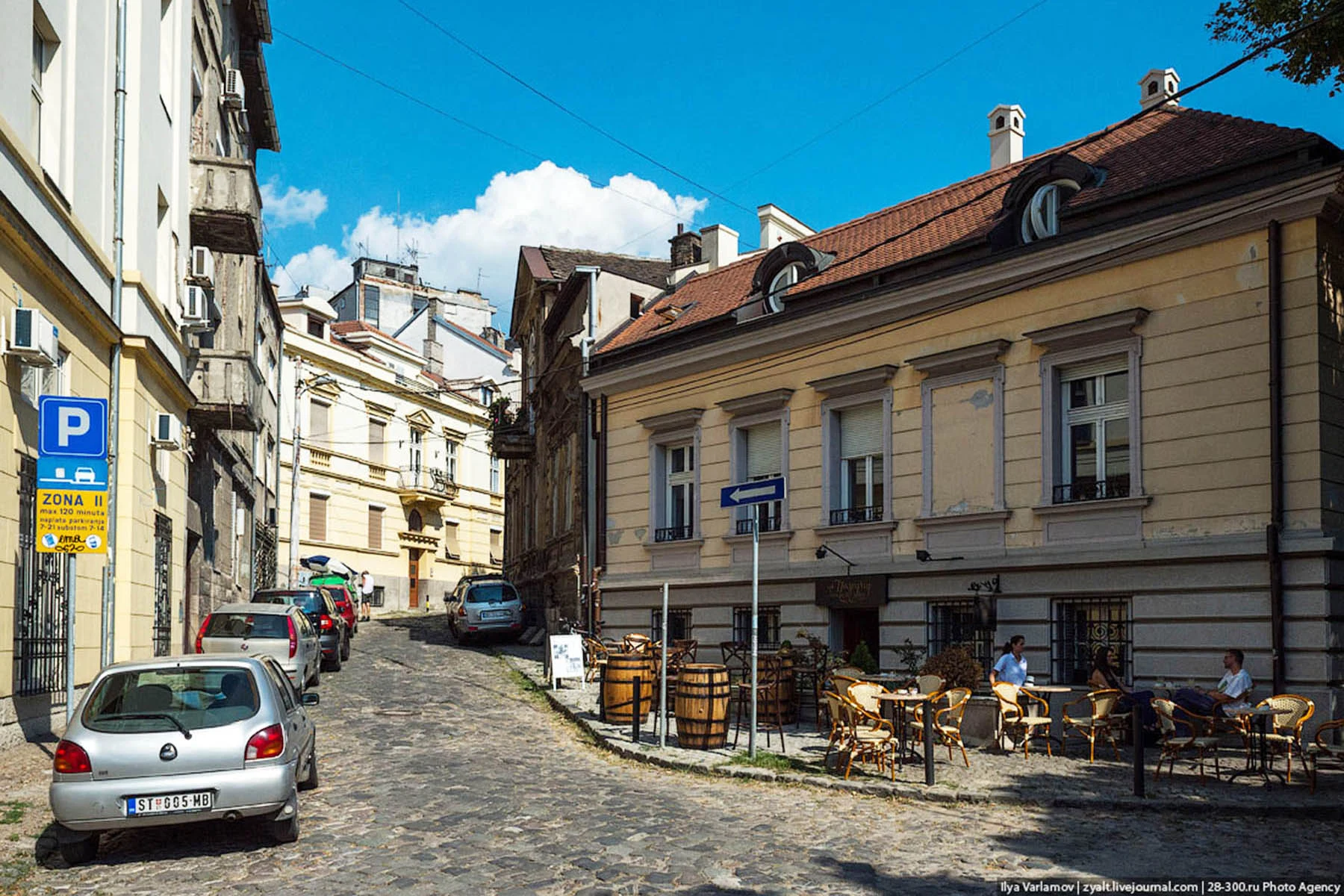
Kosančićev venac” can be said to be a part of old Belgrade that stopped in time. There is still everything untouched, authentic with Turkish cobblestones, low houses, traditionally coloured in yellow paint, with painters’ ateliers and one side facing the Sava.
This city quarter keeps a painful memory of the National Library, founded in 1832, which was, with thousands of books, including invaluable ones, completely destroyed in 1941 by bombing. Today there is an empty and sad space. The new building of the National Library of Serbia, especially for this purpose, is extremely functional, built at a new location in Skerlićeva Street. This library today has over one million and two hundred thousand books and almost as many units of library material at its disposal. It has 10 reading rooms and an amphitheatre. In front of the building, there is an impressive monument to Karađorđe Petrović.
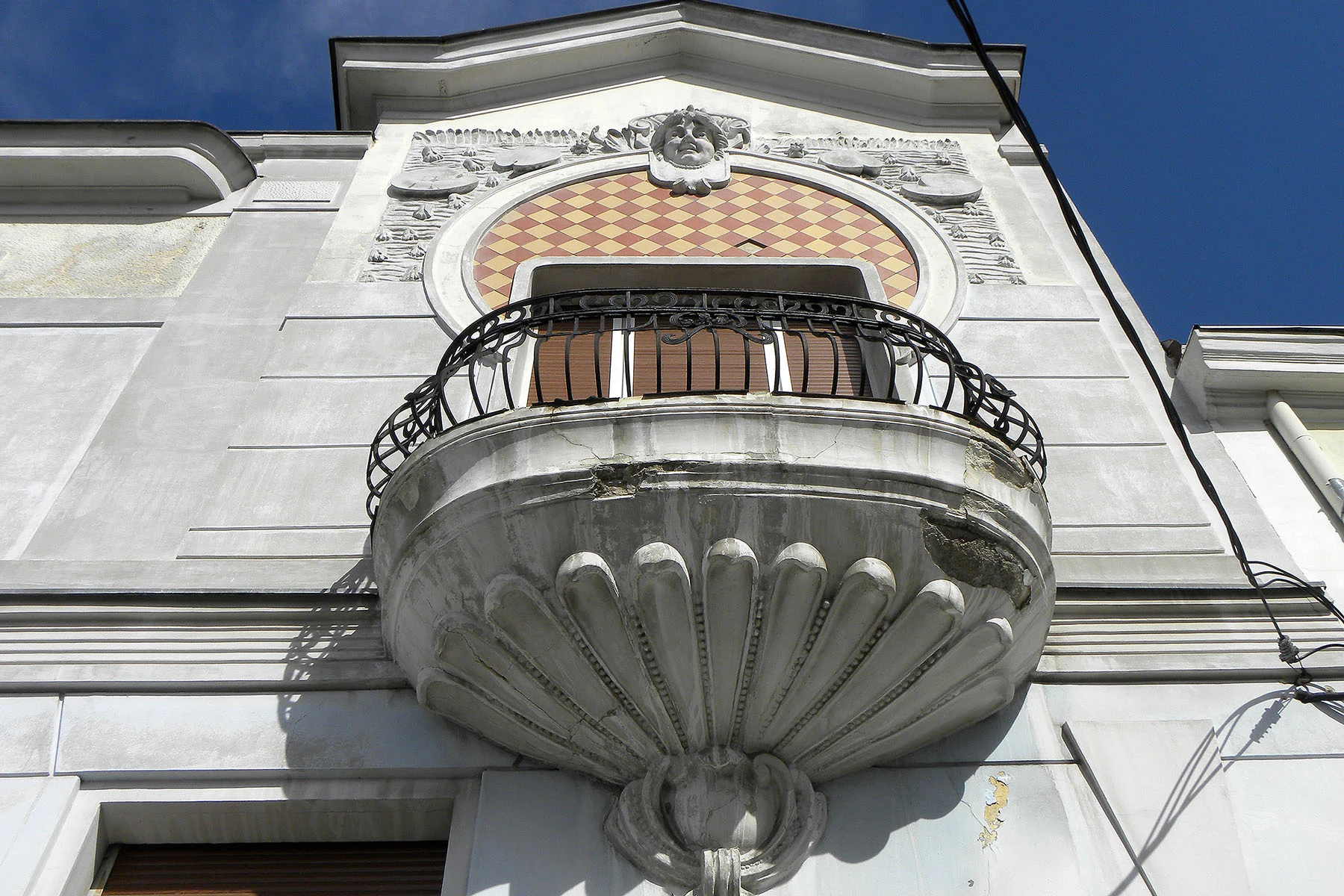
In the area of Kosančić’s venac there is Mihailo Petrović’s house, among the people of Belgrade known as Mika Alas, a doctoral student of Sorbonne, a world-renowned mathematician. He was a professor at the University of Belgrade, a regular member of the Serbian Academy of Sciences and Arts, and a correspondent member of many foreign academies. He is the author of the theory of mathematical spectra and mathematical phenomenology, as a new field of mathematical research. He wrote several travel journals from his visits to the polar regions, and the “Eel novel”. In front of his home there is a monument in marble to this Serbian giant.
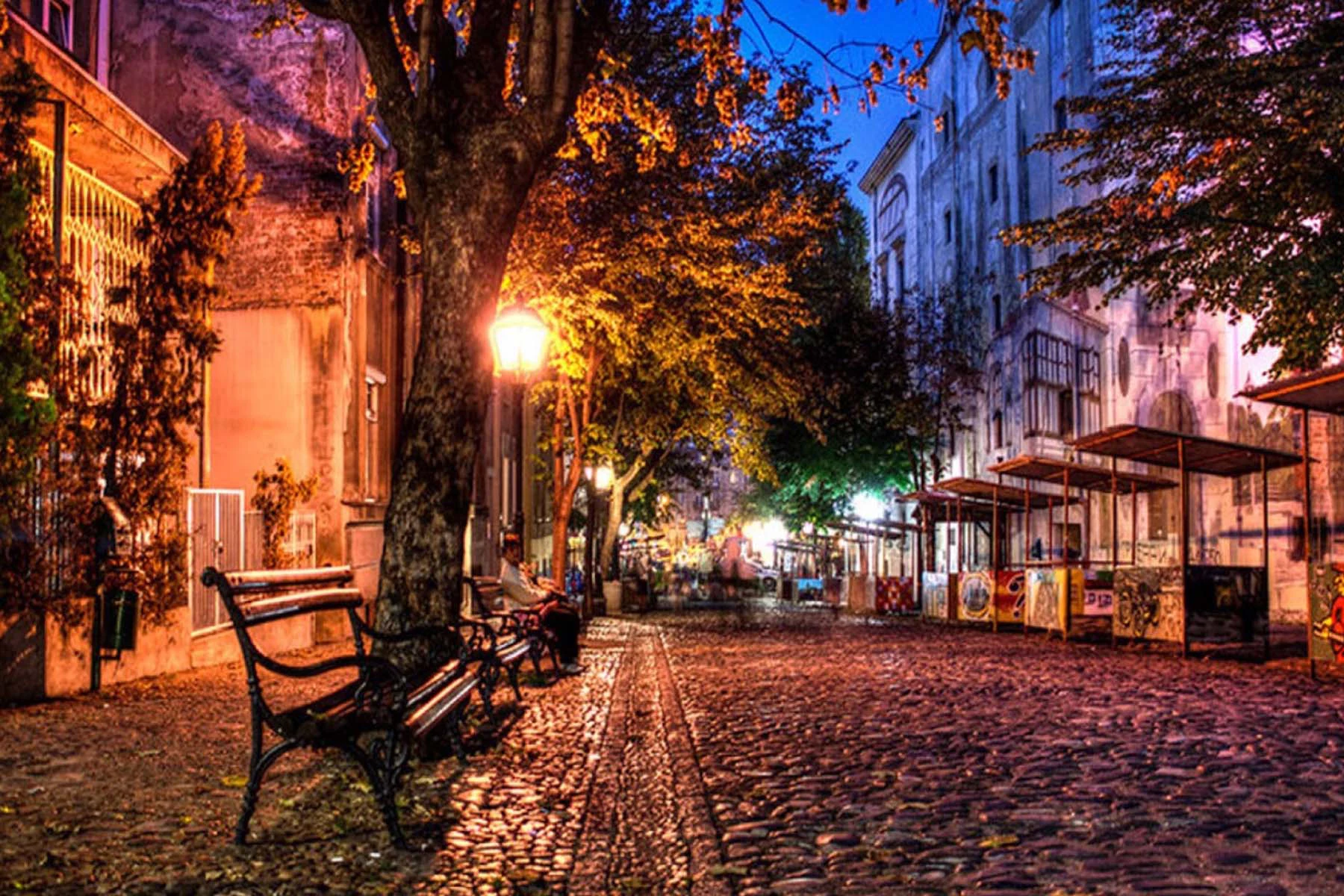
A special place in the social life of modern Belgrade belongs to Skadarlija Skadarlijais a very attractive, cheerful, well-preserved bohemian quarter in the centre of the city, with Turkish cobblestone, ground-floor houses with miniature windows, low ceilings, interior decorated with paintings, drawings, and other decor from the age of over a hundred years ago. Until 1872, this area was a Gypsy mahala, located in abandoned trenches under the defensive city walls. Then the entire region was named Skadarlija.
From the mid-19th century, Gypsy cottages were gradually replaced by houses built by craftsmen, café owners, and small clerks, and in the end of the 19th century this region acquired the characteristics of bohemian, cheerful, and intimate ambience, especially after 1901 and the demolition of the most famous Belgrade café “Dardaneli”, when its guests, writers, actors, and artists moved to Skadarlija. In the Skadarlija taverns “Tri šešira” (the oldest known since 1864), “Ima dana”, “Dva jelena”, “Skadarlija”, and others, intellectual and artistic elites of that time saw mornings (Đura Jakšić, Vojislav Ilić, Radoje Domanović, Antun Gustav Matoš, Tin Ujević, Dobrica Milutinović),alongside the old-age song and accompanying tambourine and folk orchestra.
Today’s “Skadarlija” is not a “bohemian quarter”, but a tourist mecca that neither domestic tourists nor famous world statesmen, politicians, and artists can avoid.
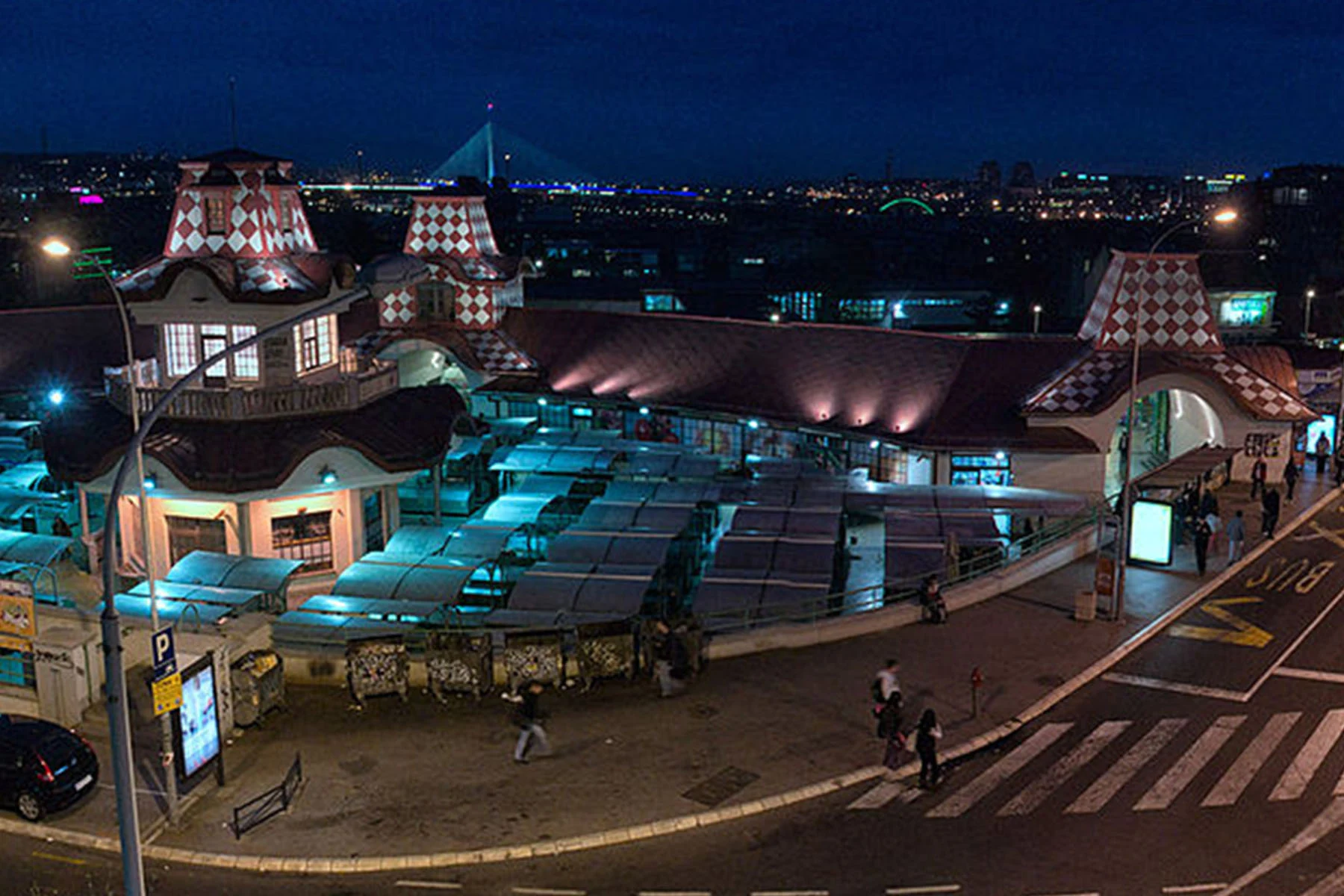
We will draw your attention to Zeleni venac Zeleni venacis located just below Maršala Birjuzova Street, once a large swamp where the boats were sailing, drained in the middle of the 19th century and turned into a small square and then into the park. The good connoisseurs of the past of this region claim that this place was the first Belgrade resort. After draining the swamp, buildings, taverns, and other public buildings started being built rapidly. In one building in Brankova Street, a young German woman from Saxony opened a tavern, and, instead of a firm name above the door, placed a wreath made of green coloured sheet, and the whole region was named Zeleni venac (Green Wreath). Then the famous city market of the same name was opened, which has not stopped working until today. Here is an important turning point for city traffic, where bus lines for almost all parts of the city leave from.
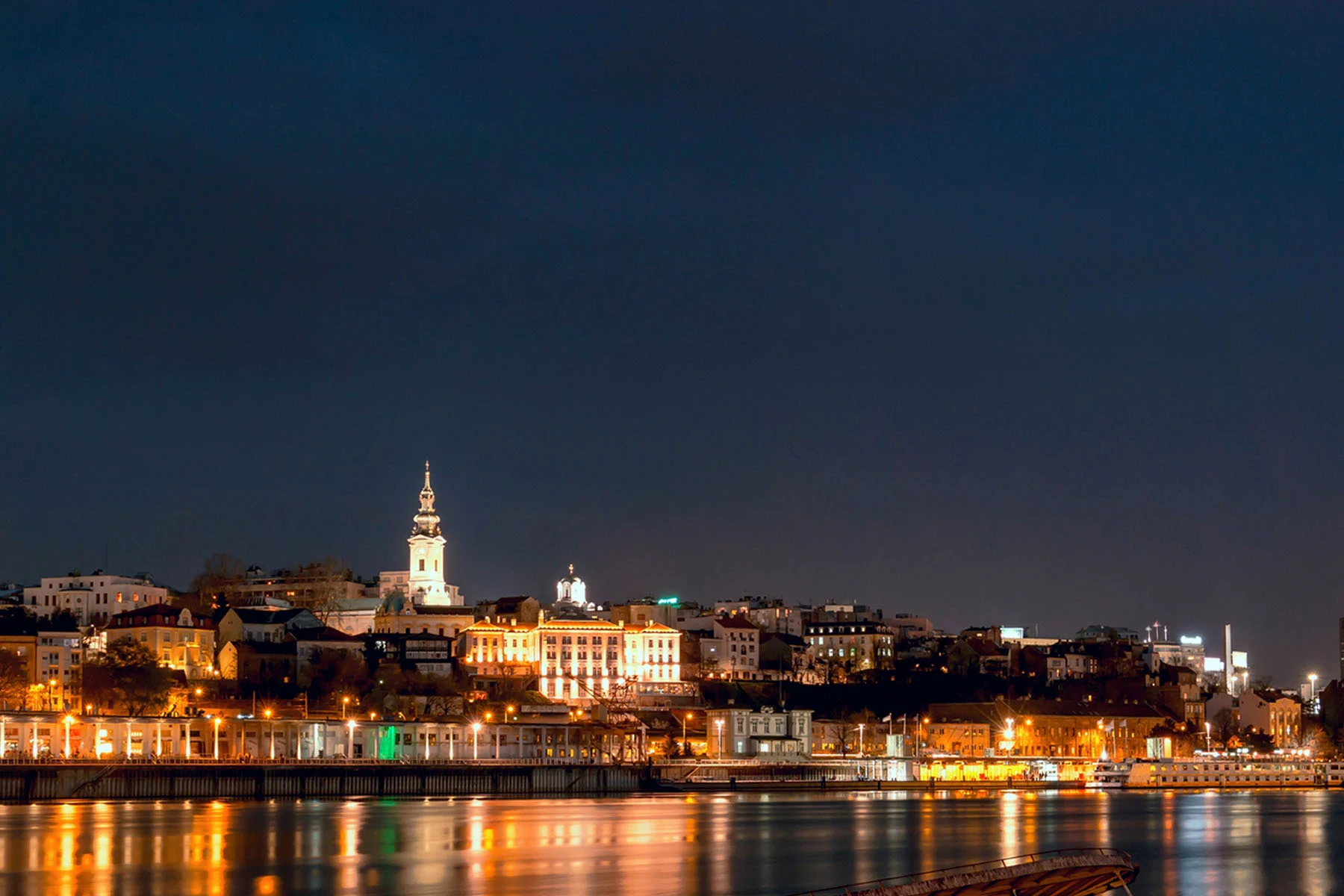
Just below Zeleni venac there is Savamala, today a part between the Sava and the streets of Gavrilo Princip and Sarajevska. A significant part of the Sava coast, which the Belgrade citizens still call “Savamala”, was long covered by marsh, and in the 18th century Gypsies, poor ship owners, and melon sellers lived here. Karađorđe’s insurgents from this region started an attack on the town in trenches and the Belgrade fortress. After the second Serbian uprising, the Belgrade vizier, Marašli Ali-paša,donated to the Prince Miloš Obrenović almost the entire Savamala.
The Prince immediately began to organise this area, with the aim of building a Serbian part of the town on the Sava slope, outside the settlement in the trench. Thus, for the first time in the course of its existence, Belgrade began to spread to the Sava River. At that time, the old Savamala residents were moved to Palilula, then the suburb of Belgrade. Today “Savamala” is a place where art and nightlife intertwine. Here are the Cultural Centre “Grad”, “Mikser haus” …, gathering artists, designers, organising numerous exhibitions and concerts, lectures, workshops, recording and collecting native-born stories, painting numerous murals.
Night entertainment in clubs and restaurants has a special charm. Meet “Savamala”, the queen of Belgrade’s night life, the crown of good time and nights out, which is inhabited by various clubs, cafes, restaurants, and bars. Savamala is a place that connects urban life with culture, where entertainment can be of a human character.
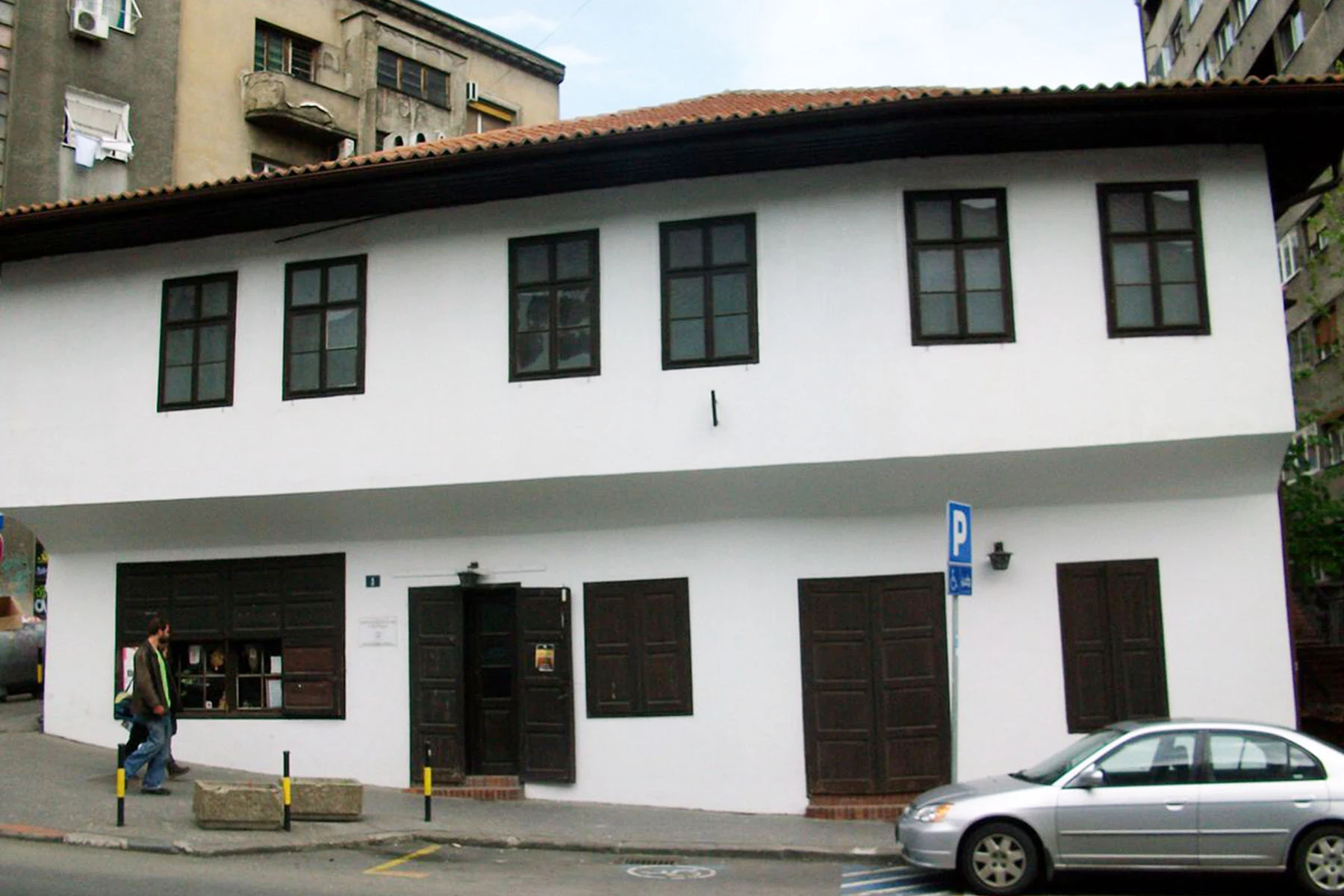
Right then, at the time of marking the current Gavrila Principa Street, the merchant Manak Mihajlović around 1834 built a house to live in and a tavern. With its picturesque appearance, size, and well-chosen position, this house, now known as “Manak’s House”, testifies to the time in which Belgrade grew out of the frames of a Turkish town and began to get the appearance of aEuropean city. “Manak’s house” today belongs to the Ethnographic Museum.
The ambient unit is also the area on the line Kalemegdan fortress – Dorćol, the oldest part of the city. Dorćol used to occupy a small part of the Danube town, in the immediate vicinity of the crossroads of four streets, after which it was named, because the Turkish word dorćol literally translates into crossroads. Over time, this name encompassed the entire area from Students Square to the Danube and from Skadarlija to Kalemegdan. Dorćol used to be inhabited by people from Dubrovnik, Turks, Austrians, Jews, Greeks, Aromanians, and Serbs. In this area there was a Jewish mahala in the 19th century, and today there is still a Jewish street. Since 1806, and the liberation of Belgrade, the most famous Serbs lived here: Karađorđe Petrović in the palace of the dahija Mula Jusuf, Mladen Milovanović in the house of dahija Mehmed-aga Fočić, and others. According to tourist experts, Dorćol is the most valuable, most beautiful, and most representative part of old Belgrade.
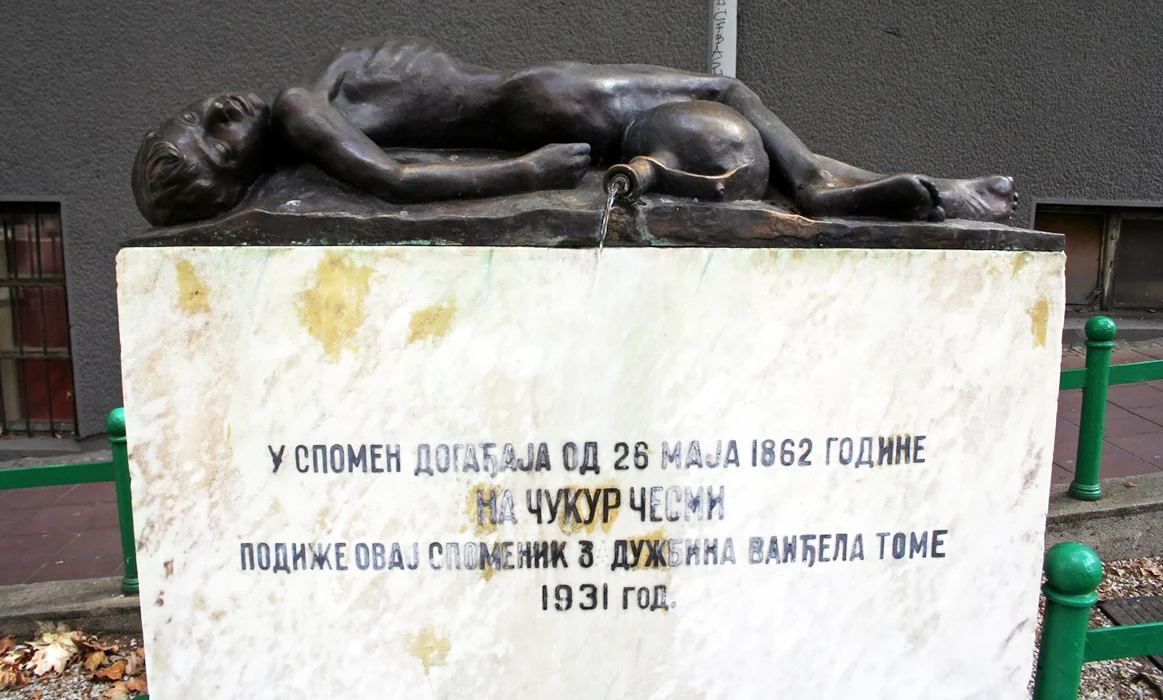
Today, this is a residential settlement and a promenade along the Danube. In this city district, there are “Čukur fountain”, the Museum of Vuk and Dositej, and Bajrakli mosque, not to be avoided. “Čukur fountain“, a statue of a boy in bronze, was erected in 1931. At the former fountain, in the same place where this statue is located today, on 3 June 1862, a Turkish soldier hit a Serbian boy, an apprentice, Sava, who protested that the Turk had taken away his jug with water.
A large number of Serbs came to the boy’s defence and surrounded several Turkish soldiers. With the help of the Serbian police and representatives of the Turkish authorities, the conflict ended peacefully. However, immediately after that, the Turks killed a Serbian interpreter in front of the police building. The result of this event was the bloody conflict between the Serbs and the Turks, vibrant diplomatic activity in Serbia and beyond, and the bombing of Belgrade by the Turks.
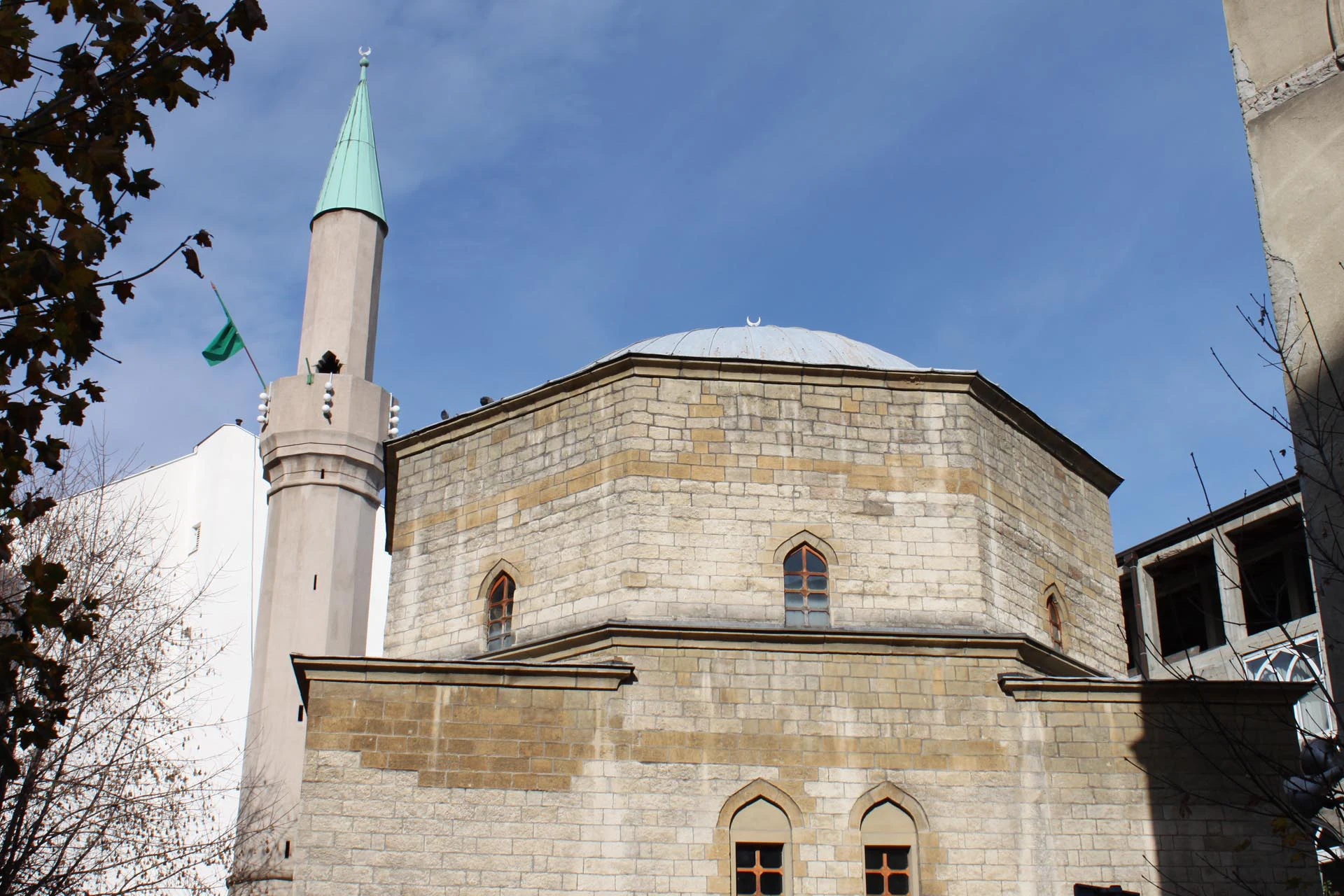
In Gospodar Jevremova Street there is the Bajrakli mosque from 1688, the only remaining of eighty mosques. In the time of Austrian rule over Belgrade, in the first half of the 18th century, it was converted into a Catholic church, but after regaining power, the Turks gave it back its old purpose. At the end of the 18th century, it was named Bajrakli mosque after the flag, which was posted there as a sign of the simultaneous beginning of prayer in all mosques in the city. After the renovation in the 19th century, carried out by the Serbian princes, it became the main city mosque. Today it is an active chapel. In its vicinity, as part of tekija (Islamic religious sect), in 1784, turbe, “Šejbi Mustafa’s Tomb”, was erected.
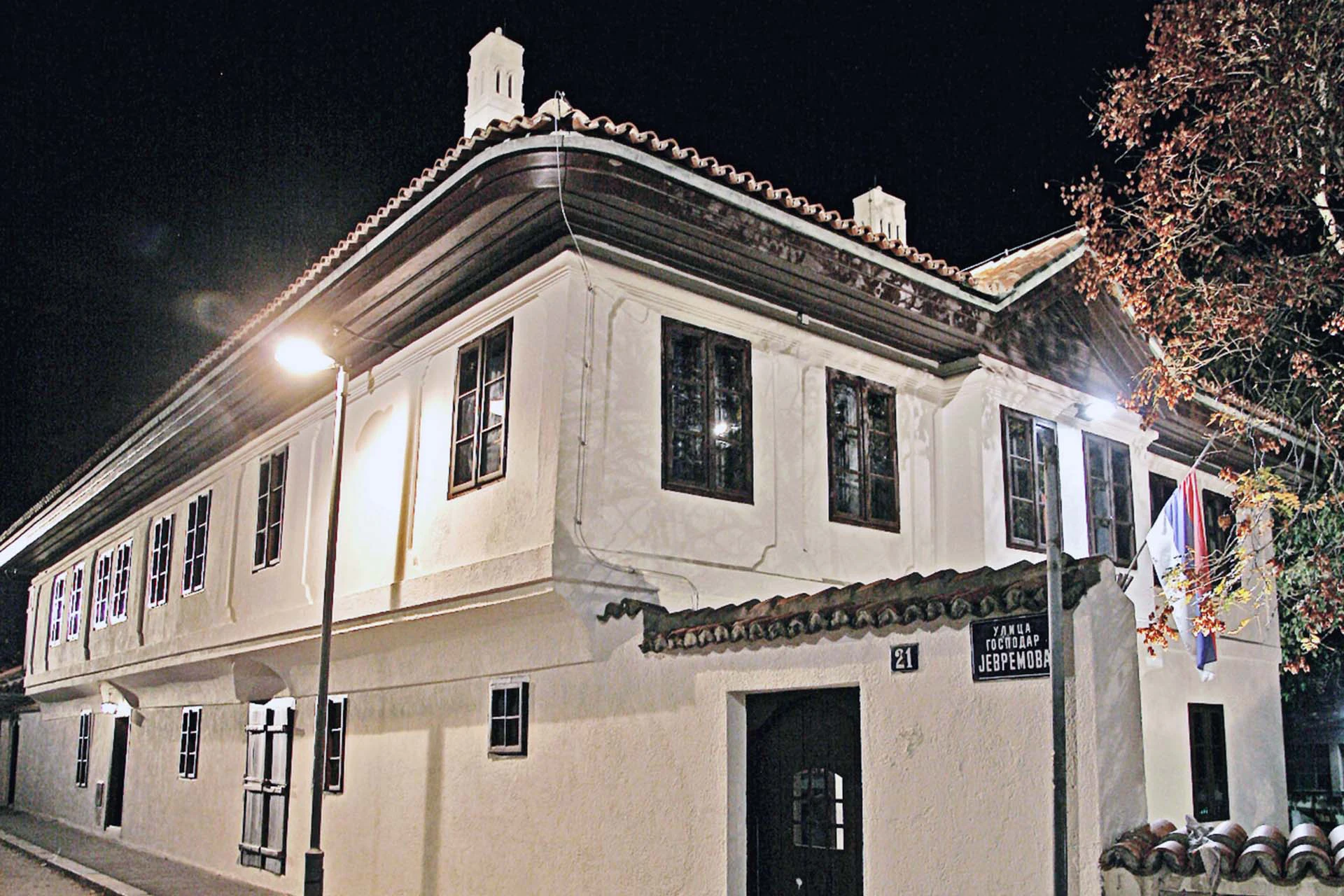
In the same street, there is the Museum of Vuk and Dositej, the oldest preserved Turkish house, built in the middle of the 18th century in the tradition of oriental architecture. In this house before the first Serbian uprising in 1804, the Great School worked, then the highest educational institution of the Serbian insurrection, created by Dositej Obradović, the first Serbian educator and the first Serbian Minister of Education. Vuk Karadžić was a student of this school. The ground floor of the Museum is dedicated to Dositej Obradović, and the floor to the life and work of Vuk Stefanović Karadžić. The Serbian state bought Vuk’s legacy from his daughter, Mina Vukomanović, and in 1949 it bought a house from the last owner and opened a museum there.
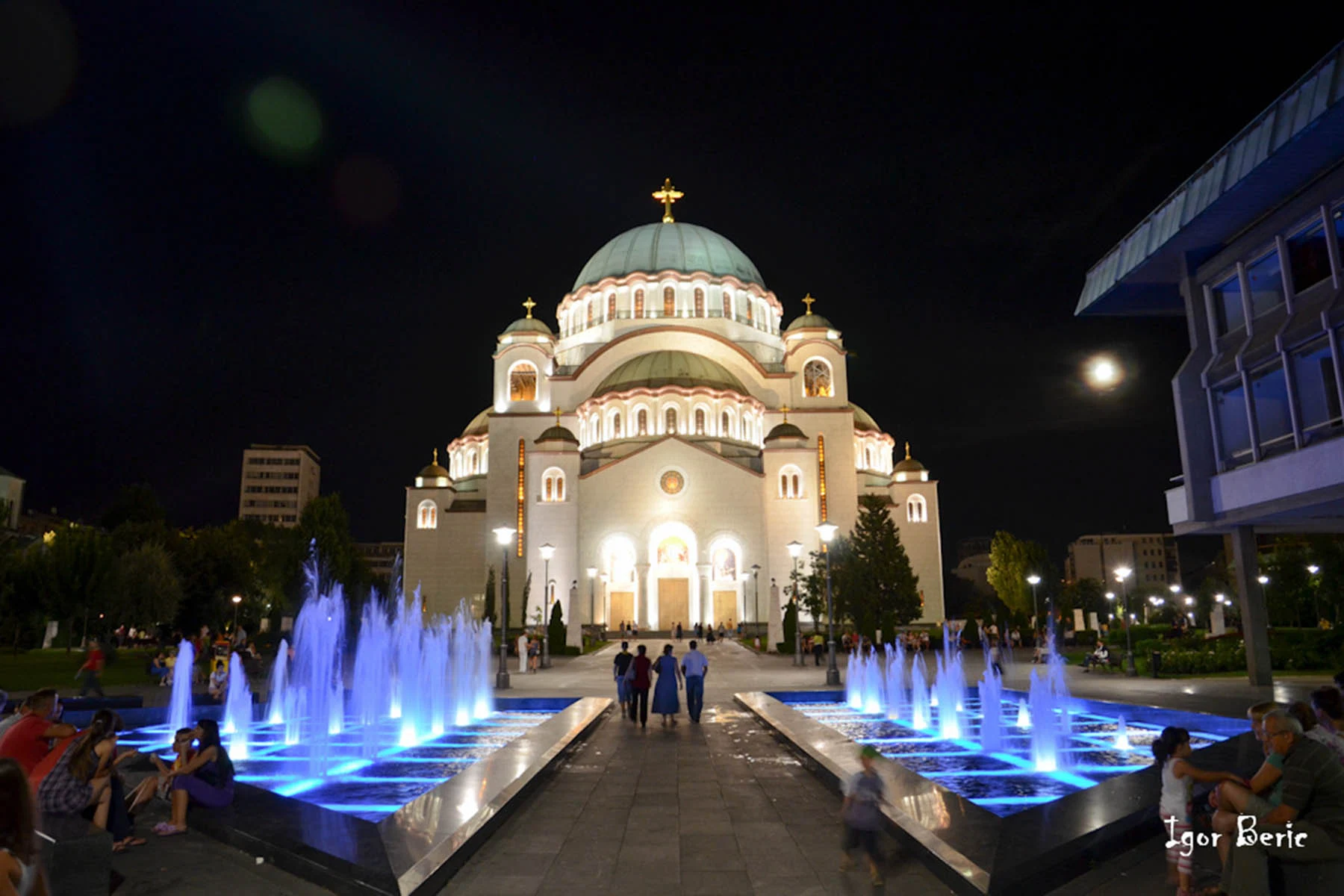
We especially draw your attention to the St. SavaTemple on Vračar because of the exceptional cultural, historical, and architectural significance of this religious building. First we will briefly introduce you to the history of Vračar. In the 1870s, Vračar, today one of the city’s central municipalities, was in the far periphery of Belgrade.
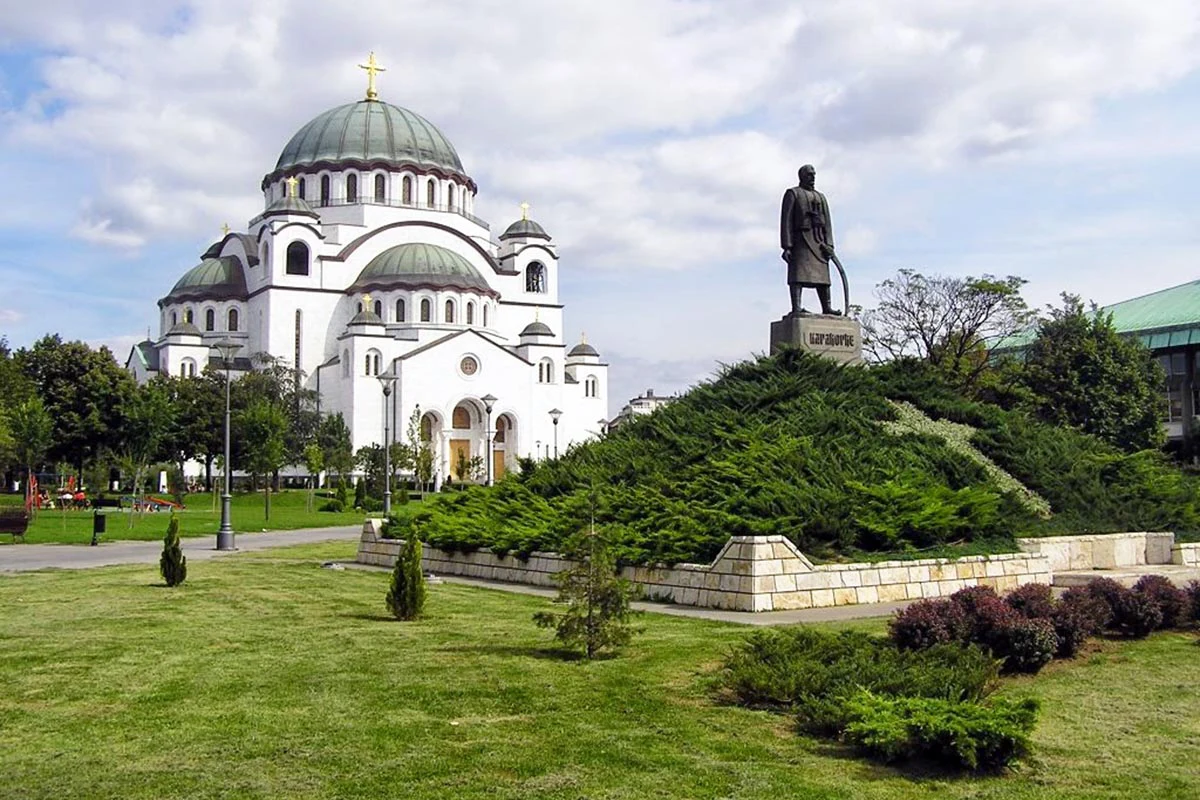
Military exercises and manoeuvres of the Belgrade garrison were carried out on Vračar Field. In 1806, on Vračar Field, Karađorđe’s insurgents defeated the Turks. In the same year, the law of prota Mateja Nenadović was read out, the first written law of the Serbian insurrection. In one part of this city district, at some point at the end of the 19th century, there lived Saxons, mostly entrepreneurs and craftsmen, so some of the taverns then were called “At the German Emperor’s” and the like. In 1875, the first dance school was opened in this area.
Based on the order of the Vizier Kodža Sinan-paša, on 27 April 1594, Vračar was the site where the remains of St. Sava, the first Serbian archbishop and enlightener, were burned, brought from the monastery of Mileševa. Three hundred years after this event, in 1895, a society for the construction of St.Sava’s Church was established, in the same place where his remains were burned. The building of the temple was interrupted many times. The outbreak of the Balkan Wars, and then of the First World War, stopped all construction activities. Forty years after the initial idea, the construction of the temple finally started in 1935, when Patriarch Varnava blessed the foundation. Further construction was interrupted in 1941. The German occupation army used this space (foundation and walls of seven to ten metres high) as a parking lot, and since 1944, this space was used for the same purpose by the Partisans and the Russian army. In 1958 Patriarch German became the head of the Serbian Orthodox Church and immediately renewed the idea of raising the temple. After eighty-eight repeated and rejected requests, the construction finally started.
In 2001, a consortium was established to fund the temple. The construction was financed by voluntary contributions and extra payment forpostage stamps. The temple occupies an area of 3,500 m2 on the ground floor with an additional 1,500 m2 over three galleries. The domes are decorated with eighteen gold-plated crosses in three sizes, and in the bell-tower there are forty-nine bells which were made in an Austrian foundry. The church can receive 10,000, and the western choral gallery another 800. The temple is covered with white marble and granite. Painting was done using mosaic technique. St. Sava Temple is the largest Serbian Orthodox temple and the largest Orthodox temple in the Balkans. Below the floor of the temple, St. Emperor Lazar’s church was built, 1,800 square metres with the treasury of St. Sava and crypt of the Patriarch of the Orthodox Church, in which deceased patriarchs are buried.
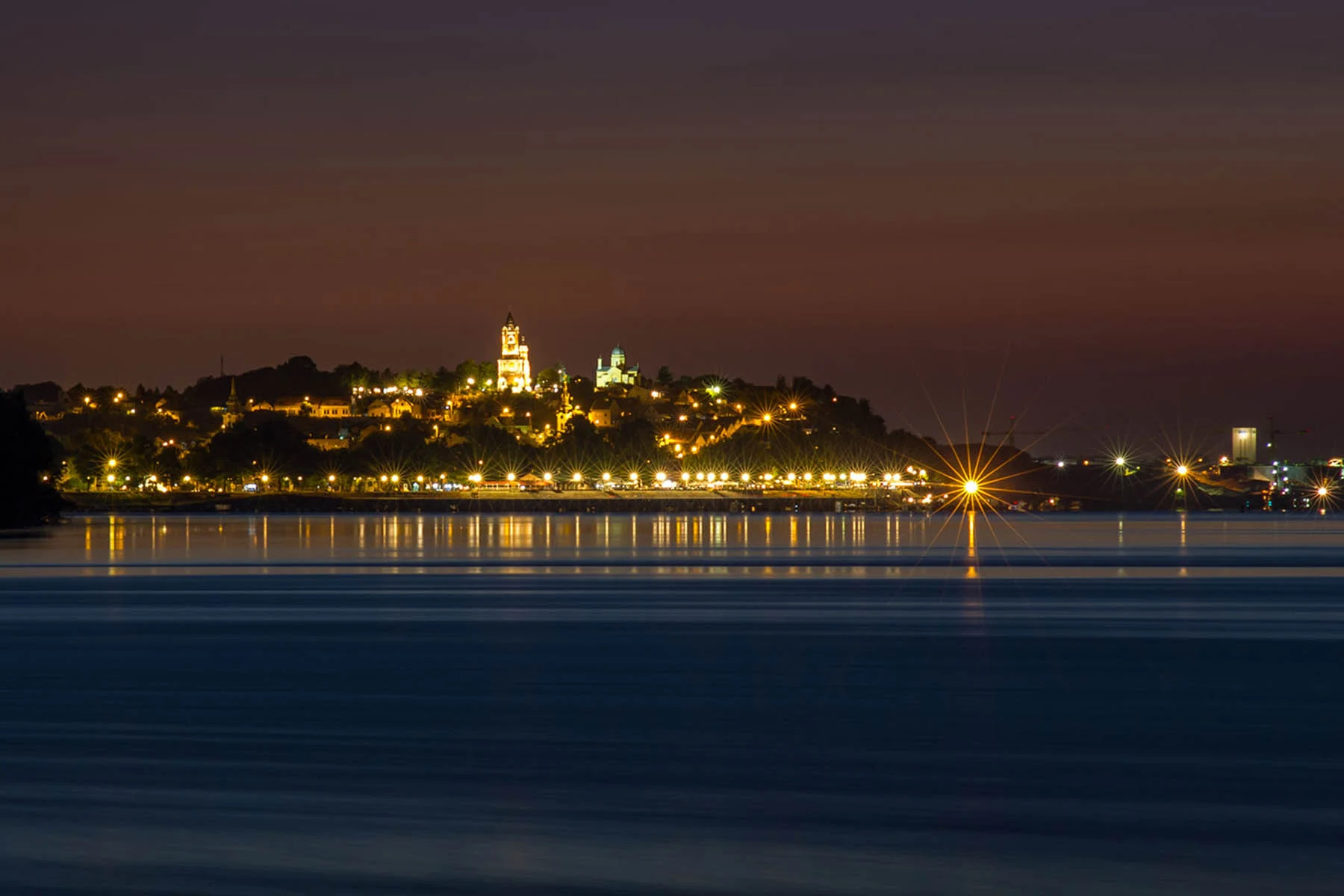
Zemun was settled in the Neolithic era. Due to the favourable geographical position, in the third century BC this place was inhabited by the Celtic tribe Scordisci, giving it the name Taurunum. Upon the arrival of the Slavs, the settlement got a new name – Zemun (earthy). The history of the city as an urban settlement began in 1717 with Austrian rule under the authority of the Habsburg Monarchy. Then it became a significant Austrian military fortification towards Turkey, and soon also the economic, commercial, and then the cultural centre of the wider border area. In 1871 it was granted the status of “free city”, which gave it a strong incentive for further economic and cultural development. Private homes of richer citizens were becoming larger and more luxurious, “to Vienna’s taste”. High schools, theatre associations, and singing societies were established. The time of old Zemun will be best brought closer to you by avisit to “Ičko’s House” (the property of the Karamata family) and the “Millennium Monument” on Gardoš, the Zemun hill from which the Danube, Zemun, and New Belgrade are seen.
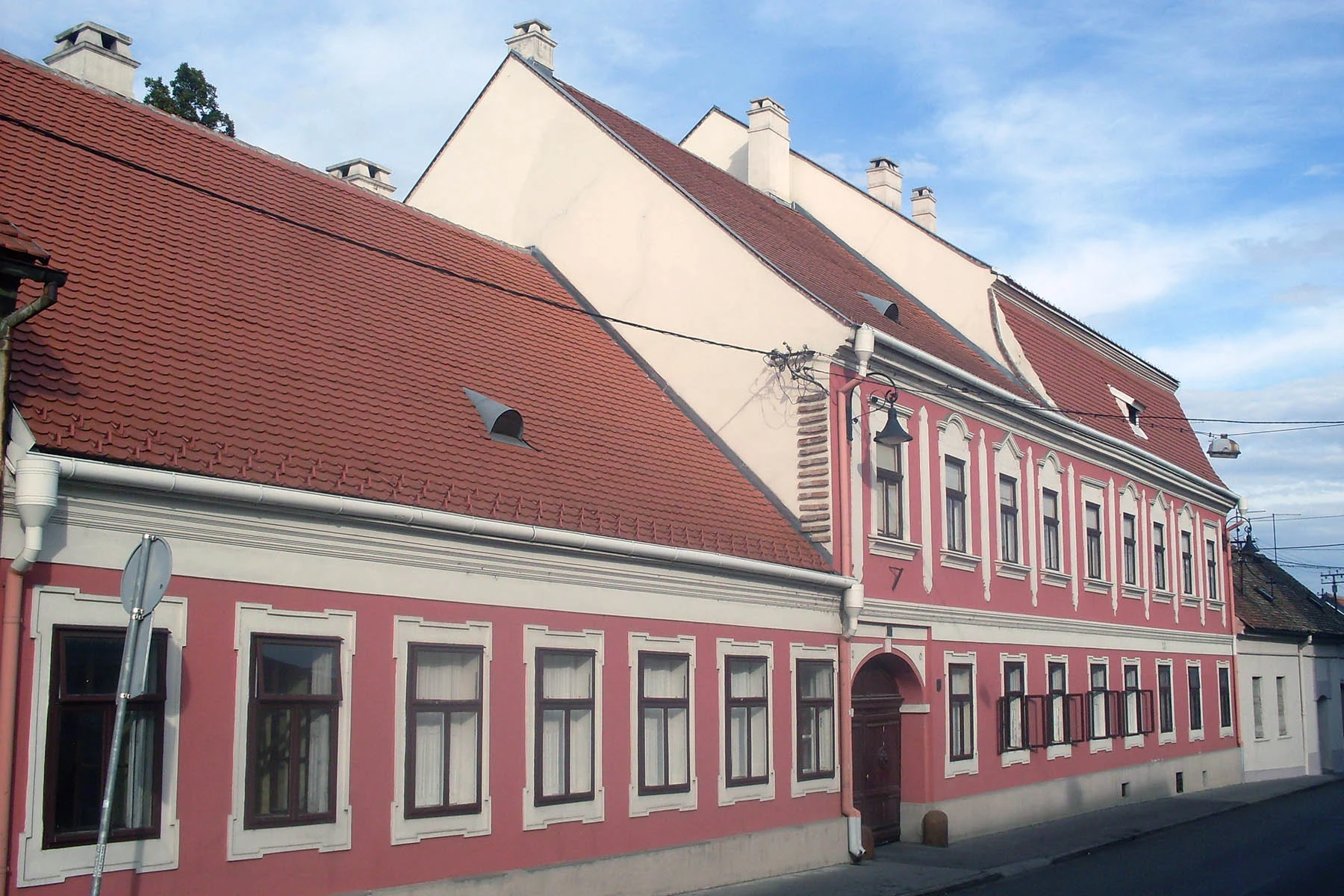
The oldest part of the Karamata family house (Matije Gubca Street), with a mansard roof, was built around 1763. Since 1772, the house has been owned by the Karamata family. By extension and large reconstruction in 1828, the building became a unique building unit with a common facade. During the siege of Belgrade in the Austrian-Turkish War (1788-1799), a meeting of the members of the Austrian War headquarters was held there, and, on the occasion of this event, the imperial emblem was placed on the ceiling of that room. In the revolutionary events of 1848, the National Committee for the Fight against the Hungarians, led by Karlovci Metropolitan, Josif Rajačić, functioned in this house. Some data indicates that Vuk Stefanović Karadžić came to the Karamata household. The Karamata family preserved several valuable art objects, especially the portraits of its members by renowned painters.
Based on the record above the middle window of the main façade of “Ičko’s House”, the house was built in 1793. The oral tradition links it to Petar Ičko, a trader and politician, who fled to Zemun from Serbia before the First World War and settled in this house. At the beginning of the 19th century, on the ground floor of the house was the famous “Kraljević Marko” tavern.
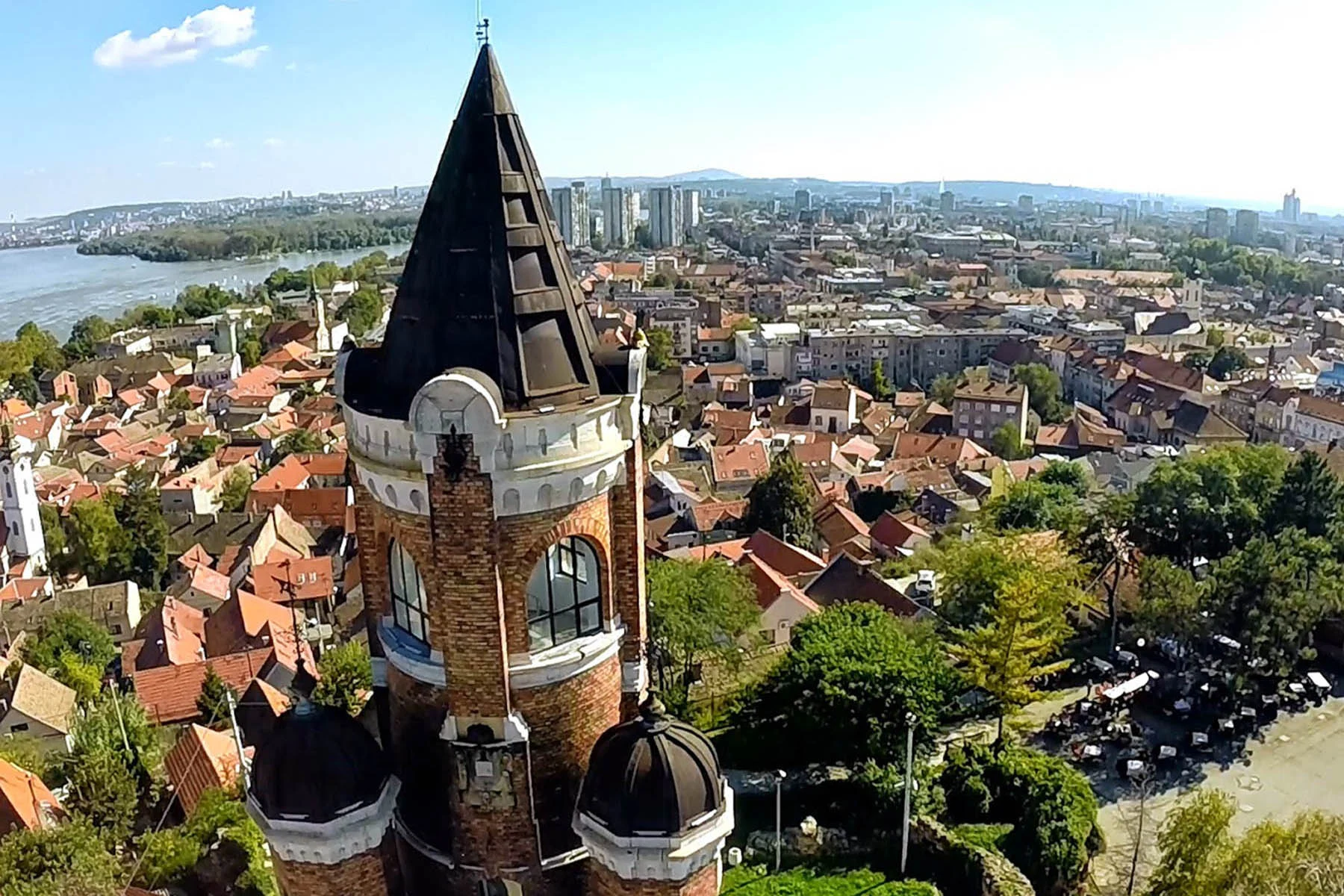
“Millennium Monument” on Gardoš was erected in 1896 to mark the celebration of the establishment and the thousandth anniversary of the Hungarian state (896-1896). It is built as a tower-lookout, at the highest point of Gardoš, with a combination of stone and brick. Different architectural styles are represented in the building. Today there are painters’ ateliers init. On the plateau of Gardoš, a permanent open summer stage is set up, where theatre performances, concerts, and other cultural events are organised during the summer. It is interesting to note “Lamartin’s pillar”, built in 1933 from onyx, located in the city park at the site of the former quarantine building, where in 1833 a French poet, politician, and a member of the Lamartin Academy stayed. We recommend that you walk along the Main Street and the nearby Victory Square (former Magistrate Square), where almost all the buildings from the 19th and the beginning of the 20th century are preserved. The façade of these buildings is decorated with carefully selected artistic works and craftwork, captivating with itselegance and dignity. In this street, you can also look at the building of the 1935 Air Force Command. By location, monumental appearance, and general impression, this is the most important architectural accomplishment in Zemun between the two wars.
Decoration of today’s Zemun and the part of the Danube coast of New Belgrade is a well-arranged quay, stretching from the mouth to the end of the accessible Zemun coast. The whole length of the quay is filled with dozens of ship-restaurants, popularly called rafts, of different sizes and colours, with carefully designed interiors and originally designed façade with intriguing titles. Here you can hear different types of music, and taste various gastronomic specialities. The most common guests are the young, and, during the season, “a table more” is required. The ending of the Zemun quay is interesting, with small ground-floor houses, in which fishermen’s families probably lived, and now they are turned into small restaurants.
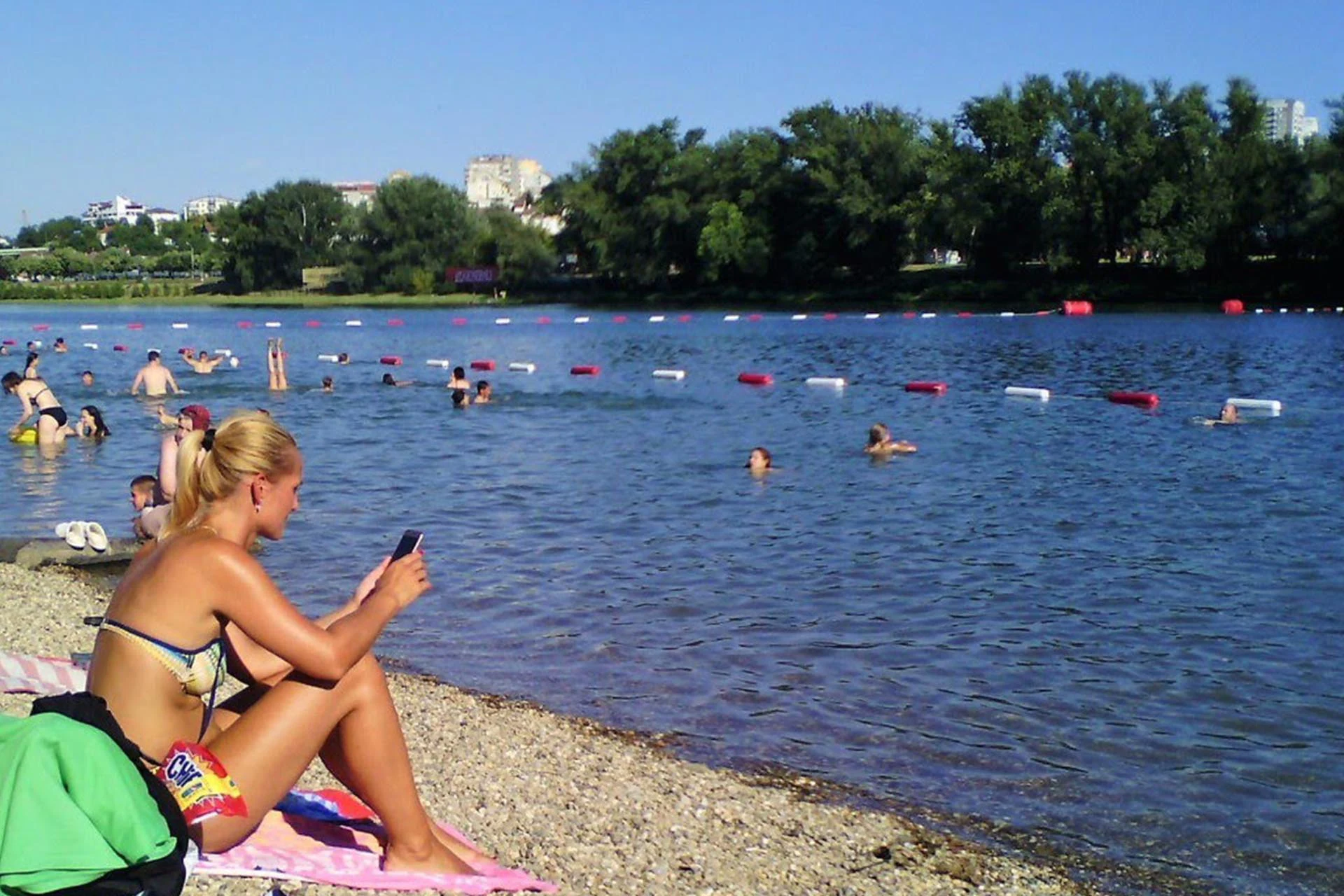
The most visited and beautiful Belgrade resort is Ada Ciganlija, an elongated island, four kilometres from the mouth of the Sava River. The name “ciganlija” is probably a toponym of the Celtic words “sing” and “lija”, which mean an island and underwater land. In 1821, Prince Miloš Obrenović declared the island a “state national good”, which has remained to this day. Branislav Nušić called it a “water flower” and founded the eponymous satirical newspaper. Since then, this space has attracted artists and bohemians as magic, and later all citizens who enjoy nature. By removing the right inlet in 1967, the island became a peninsula, surrounded by a dike and bordered by the Sava River on one side and the Sava Lake on the other. Nowadays, with Ada Međica, the lake, and part of the Makiš field, it occupies an area of 800 hectares.
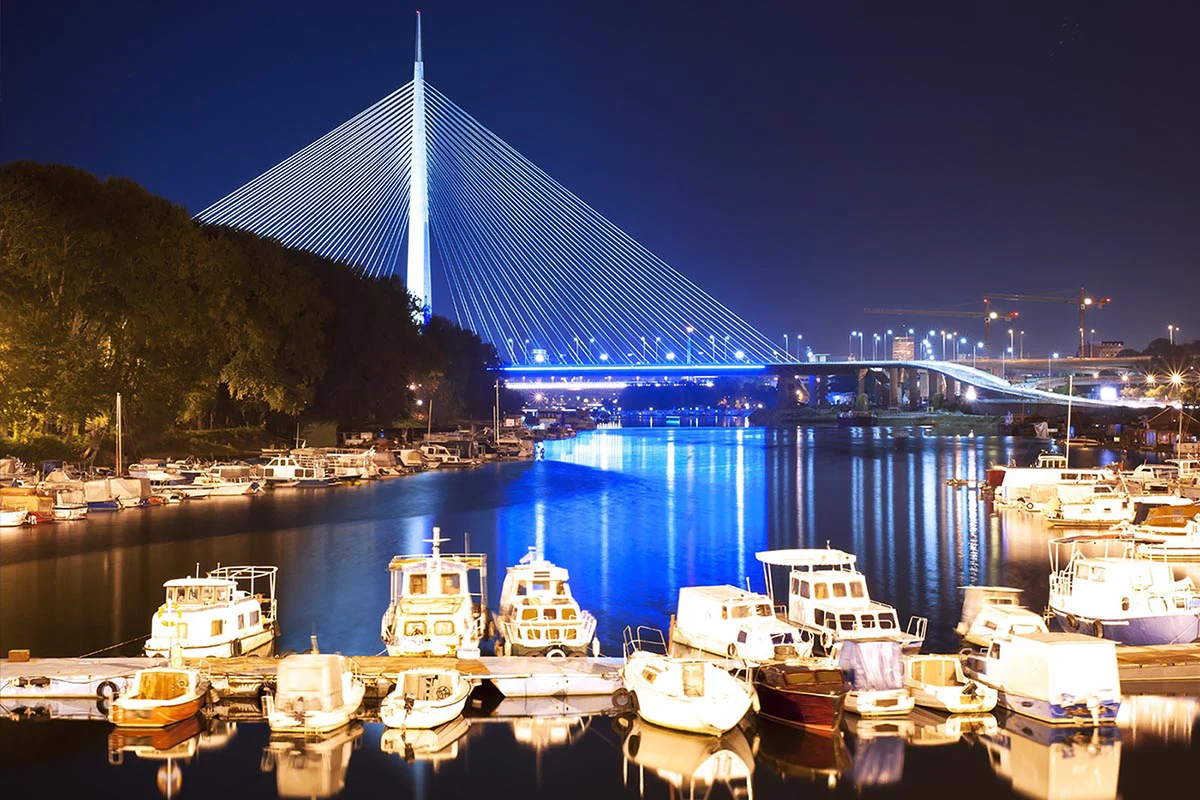
Ada Ciganlija has preserved its natural resources that make up a unique eco-system and represents an ecological oasis with its micro-climate, more pleasant than the city. It is a large park-forest that extends to 288 hectares. It is dominated by oaks and elms, and, in the middle of the 20th century, it was planted with American poplar and green ash. In this natural symbiosis of flora and fauna, islands, rivers, and two large lakes, there live a large number of different species of birds and other animals. Until recently, one could see roe deer, foxes, and rabbits, and even wild boars.
Today, there are special riding paths built through the forest. Fields for all types of sports have been built on spacious lawns: volleyball, handball, basketball, football, tennis, rugby, golf, climbing, water skiing, skiing on the grass, etc. Everything is in greenery, surrounded by footpaths and bicycle trails from hard materials. This is a unique city park in its entirety, accessible to visitors with special needs (toilets, parking, and other). Sava Lake, 4 km long and 250 m wide, is also used for sports and recreation. It hosted hundreds of state and international competitions in water sports. Water bikes and all kinds of boats can be rented on the coast.
Between the lake and a 7.5-km-long illuminated promenade, which surrounds the island, there is a pebble beach, which can accommodate up to 40,000 swimmers, and which, according to official statistics, is one of the largest and safest beaches in Europe (Blue Flag status). It is equipped with complete infrastructure (public baths, showers, fountains, used for free). It is served by a professional rescue service, several medical clinics, police, and communal services. An urban-sports environment has been developed around the swimming area. The catering offer includes more than 80 restaurants and dozens of rafts-restaurants on the water, as well as dozens of vacation homes along the entire coast of the Sava. Ada Ciganlija can be reached by a city bus, by regular boat, and bicycle trails. For those who come in private cars, a spacious parking space is provided.
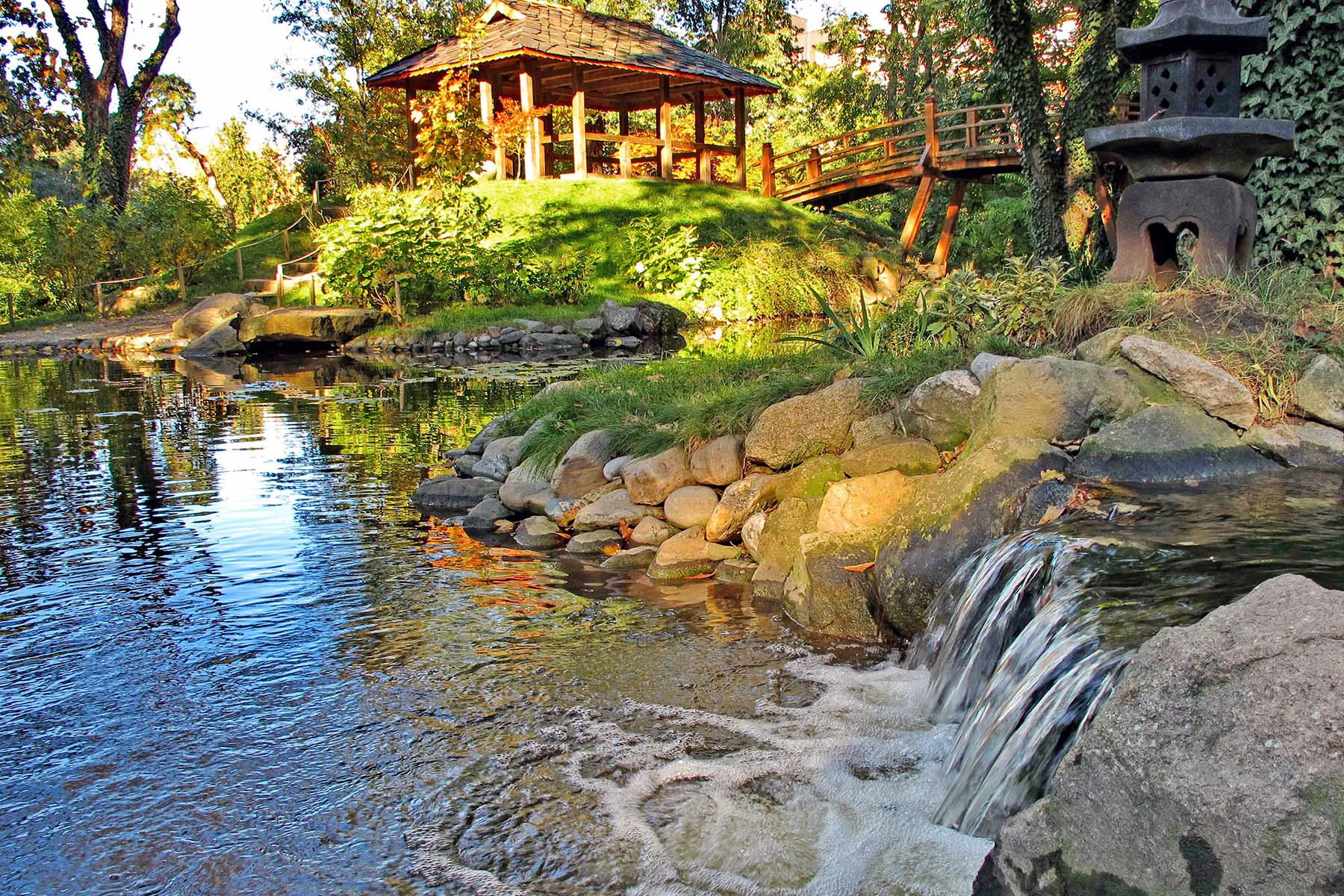
Botanical Garden (43 Takovska Street) was firstly arranged for the needs of the lyceum or the Grand School. The founder of the botanical garden is theworld famous scientist, Josif Pančić. It was moved twice, the last time in 1889, when it was placed in anorchard of 4.3 hectares, owned by King Milan Obrenović, as his gift. There are over 300 species of different trees and shrubs, about 400 species of herbaceous plants. There is also a “Japanese garden” in this area.
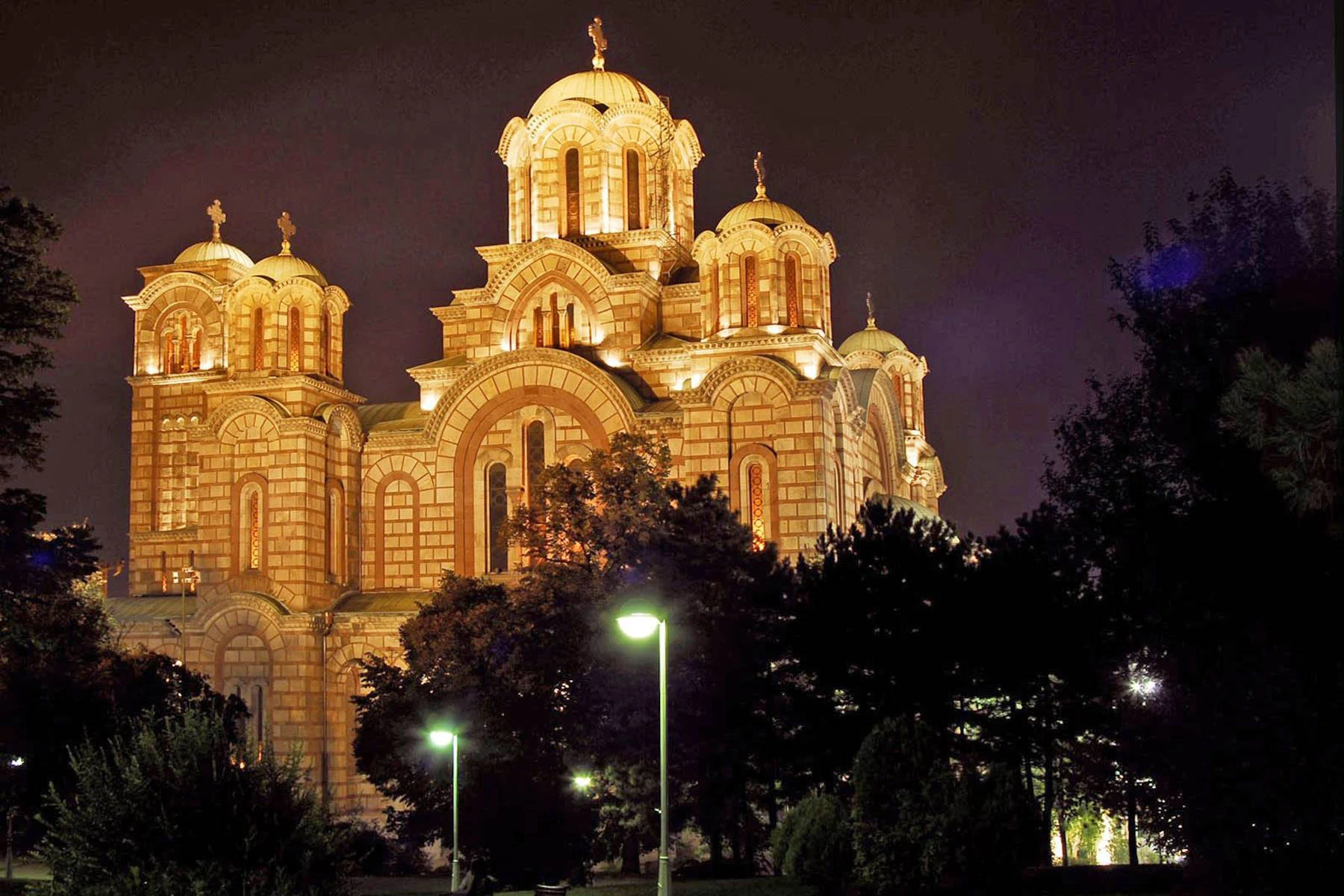
To the right of the National Assembly, Bulevar Revolucije starts, the longest street in Belgrade, in which you should pay attention to St. Mark’s Church, Tašmajdan, and the monument of Nikola Tesla.
On the Tašmajdan plateau, after the First World War (1931-1936), the construction of one of the most monumental Orthodox churches in the city began – St. Mark’s Church. The church was completed in 1936, but was bombed in 1941. It was built to resemble the architecture of the Gračanica Monastery, with the so-called Serbian-Byzantine school style. It has been renovated and is active. The space occupied by the famous and popular city park Tašmajdan was a stage forimportant historical events for Belgrade and Serbia.
At the time of the siege of the city in 1806, at this place, which was then a distant periphery of the centre, there was a military camp and thepersonal tent of the head of the first uprising, Karađorđe. Here, in 1830, the sultan hatt-i sharif on the internal independence of Serbia was read. Following the order of Prince Miloš Obrenović, the old Serbian cemetery was in 1826 moved from Varoš Gate to this area, and in 1901, for the second time, it was relocated to today’s new cemetery. In 1909 the first seismic station was built at Tašmajdan, which still exists today.
Since 1952, the city park, a sports and recreation centre with a large swimming pool and many catering and other facilities have been built on most of this land. It is interesting to note that Tašmajdan was once a large quarry. There is a justified belief that all old Belgrade buildings were made using stone from this quarry. Catacombs created by its stone blocks were used for a long time as a military warehouse and shelter for wounded soldiers.
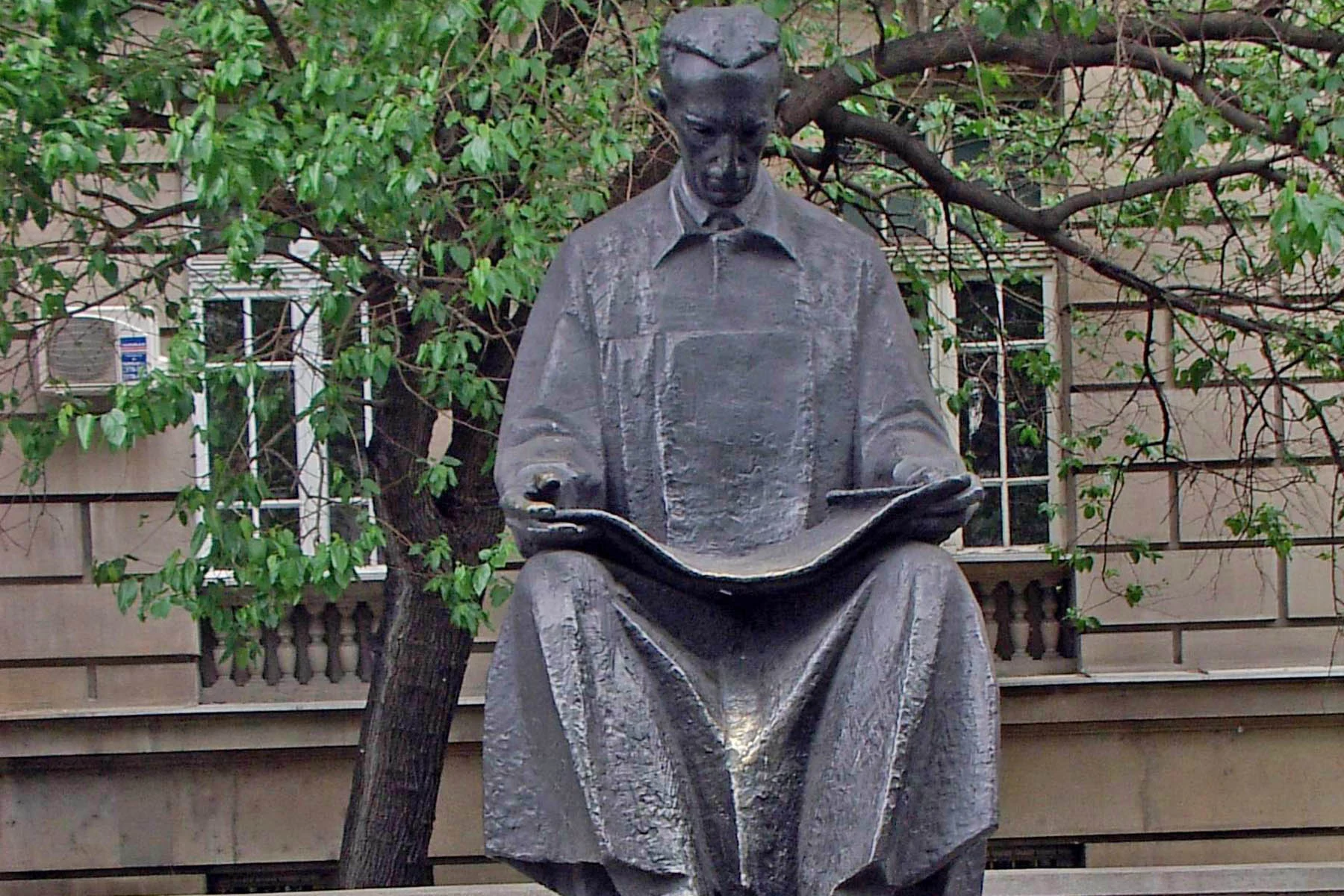
The bronze monument to Nikola Tesla was erected in 1963 in front of the building of technical faculties. A museum devoted to this inventor and scientist, electrical engineer and physicist, one of the world’s most prolific geniuses in the field of electrical engineering, is located in Krunska Street. In addition, the magnetic induction unit “T” is named after this giant. Tesla’s legacy, according to his personal wish, was transferred to Belgrade: a library, an extensive diary from Colorado, correspondence, laboratory elements, an urn, as well as some personal items.

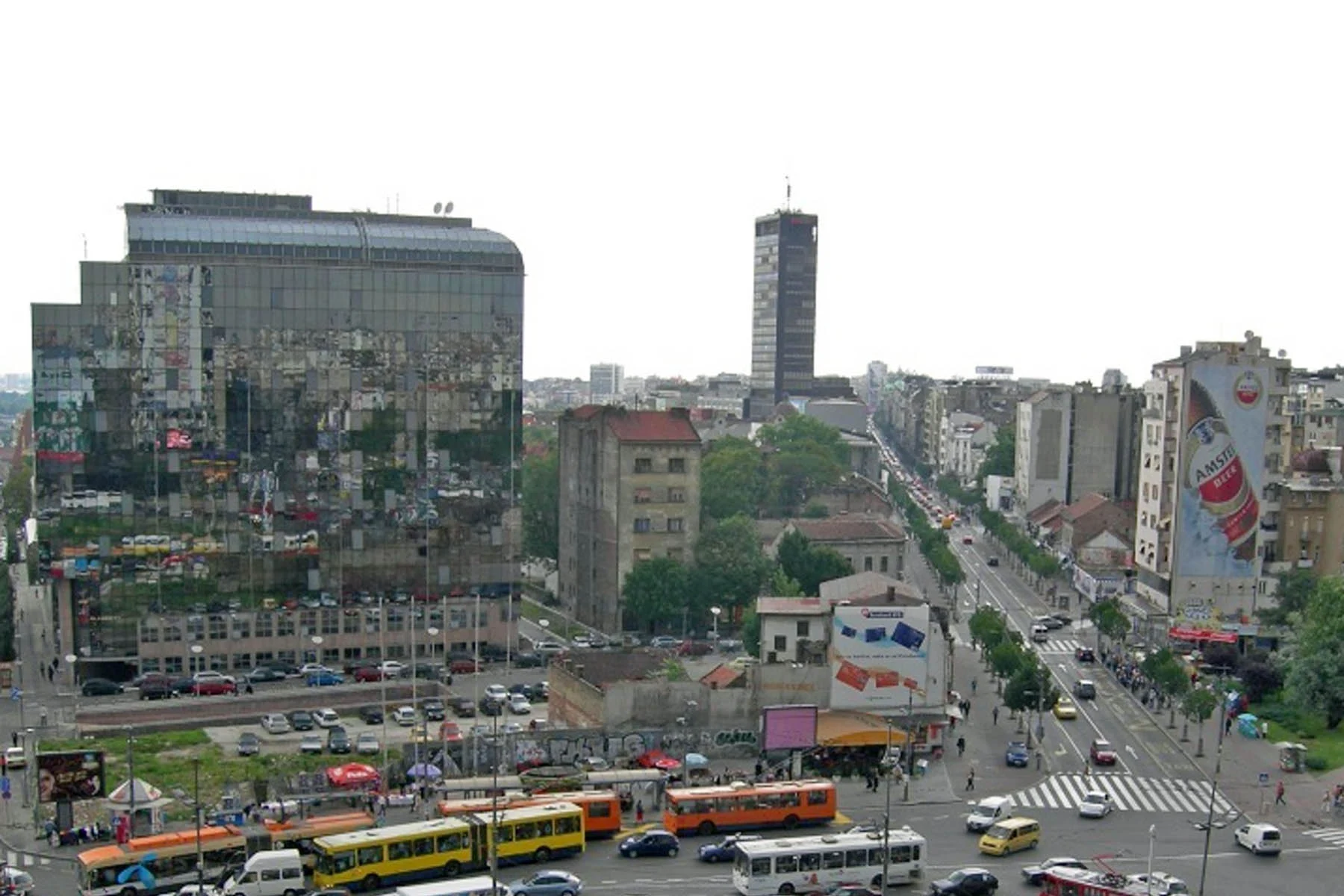
Previously, we introduced to you the most important cultural and historical monuments and the most interesting places in the narrowest part of Belgrade, which, from Maršala Birjuzova Street, i.e. from your apartment, you can easily reach on foot. However, we cannot help pointing to a number of other monuments and sites important for Serbian national and cultural history, some of which are well-known outside the borders of Belgrade and Serbia.
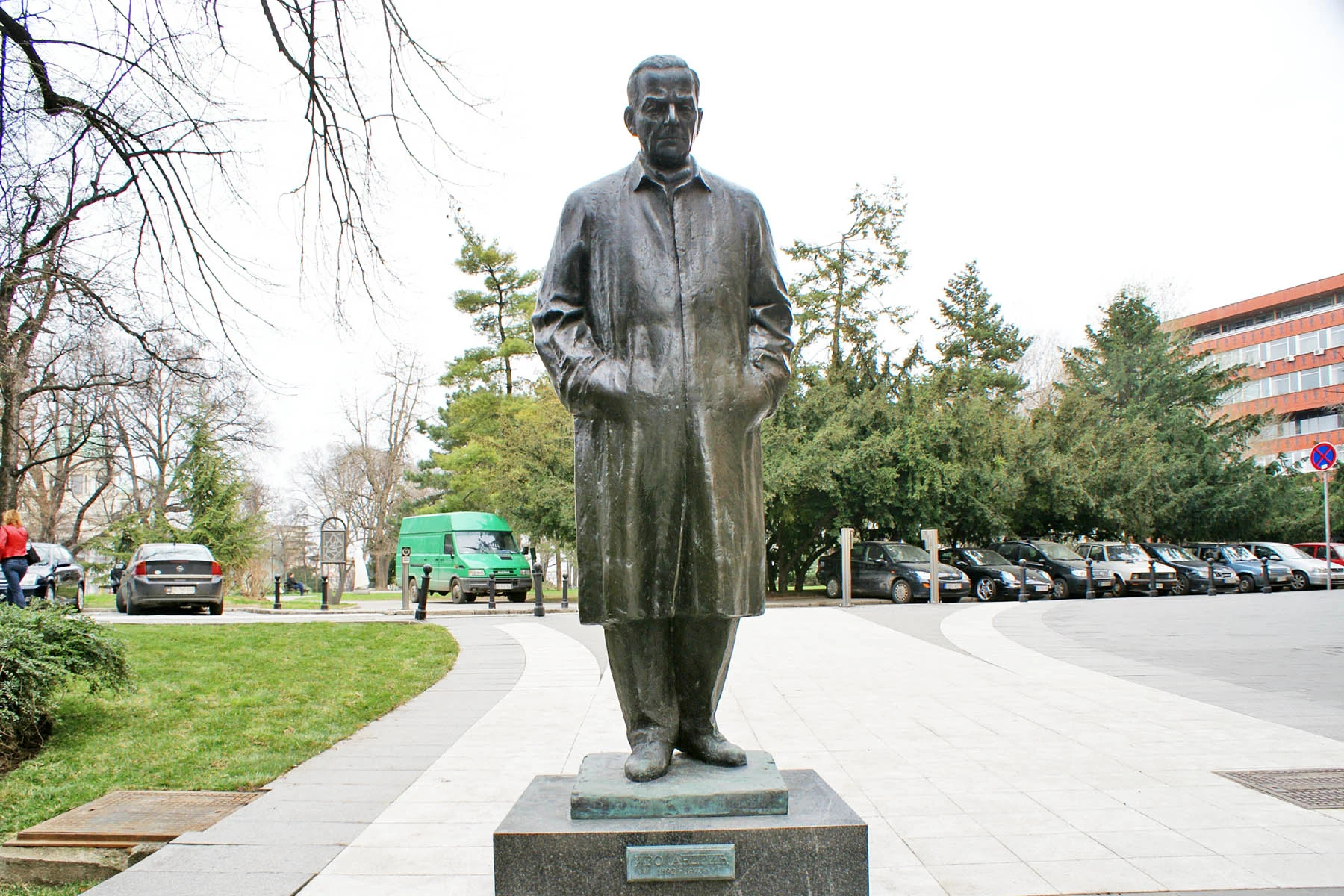
If you take Srpskih Vladara Street from Terazije to Slavija, you can take a look at the palace “Beograđanka”, the building of the Yugoslav Drama Theatre, and the memorial museum of Ivo Andrić. Palace “Belgrade”, or “Beograđanka” for the citizens of Belgrade, was erected in 1974. It was built with an accentuated tendency to make a dominant spatial city landmark with its height of 24 floors. On its top there is a city radio and TV “Studio B”. The Memorial museum of Ivo Andrić, the winner of the Nobel Prize for Literature in 1961, is located in the apartment where Andrić lived, worked, and died. Here one can see published and unpublished manuscripts, correspondence, his library, various recognitions, art paintings, and other items from his working room. One can reach the entrance to the museum by turning to Andrićev venac, a slightly steep alley, recognisable by a fountain in which water flows with cascades.
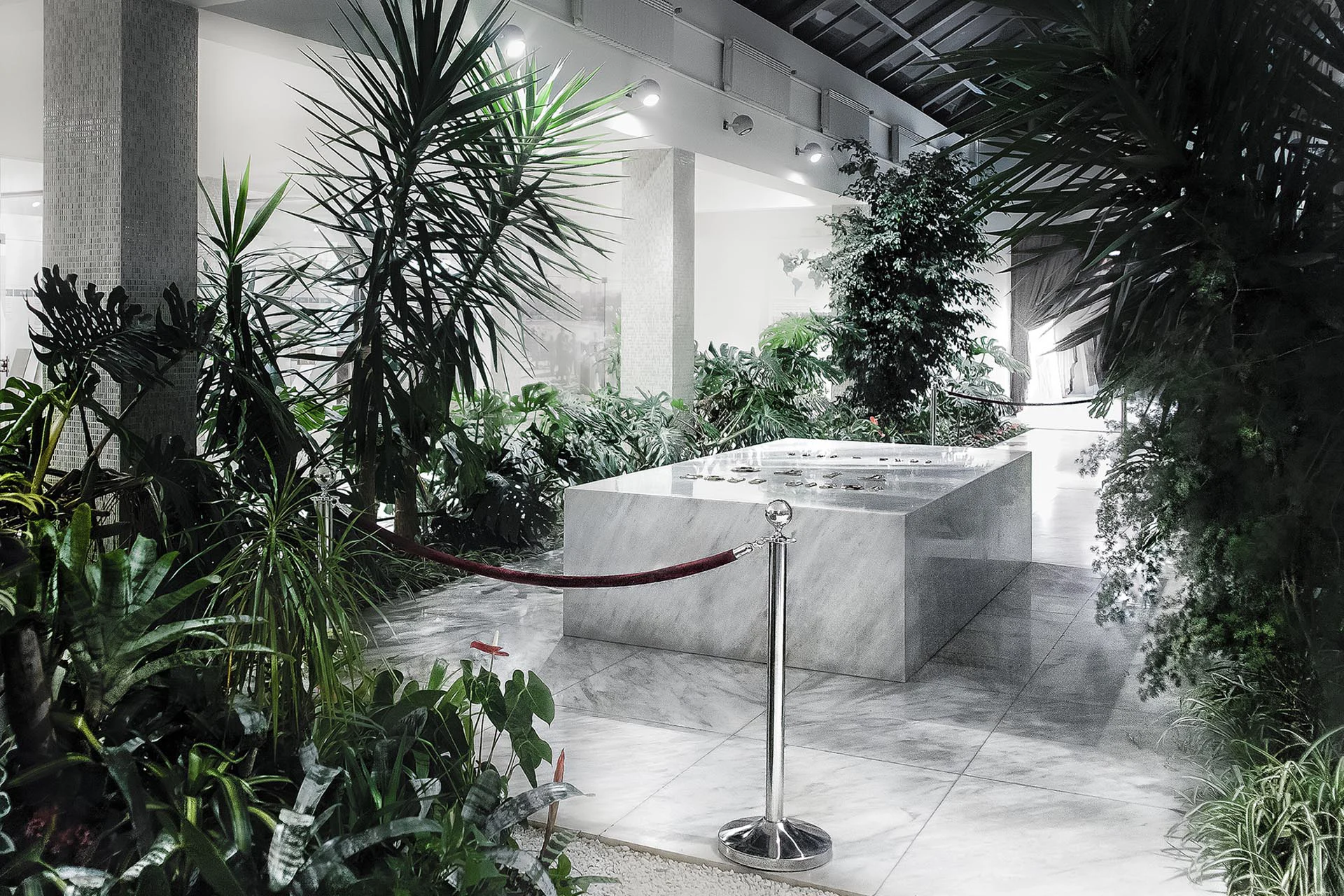
Dedinje, the elite part of Belgrade, extends between Topčider and Banjica. This region gained its urban physiognomy between the two world wars by building luxurious villas, with numerous private residences of diplomatic representatives accredited in Belgrade. Here is the Memorial Centre “Josip Broz Tito”, “White Palace”, and “Old Palace”, which once belonged to the Karađorđevic dynasty.
The Memorial Centre “Josip Broz Tito” cares about the “House of Flowers”, where Josip Broz Tito isburied; they organise visits and sightseeing of the entire memorial complex; exhibit documents and items related to Tito’s life and work.
The centre consists of facilities in Užička Street 11-15: “House of Flowers”, residence, billiard house, hunting lodge, old museum, and memorial collection, andMuseum 25 May. The residence of Josip Broz Tito (Užička 15) is thebuilding in which Tito settled immediately after the liberation of Belgrade in 1944 and from which he commanded the final operations for the final liberation of Yugoslavia.
This building, a pre-war family house of Aleksandar Acović, an engineer, reconstructed and adapted twice, remained Tito’s home for the rest of his life. The residence houses a large number of art items that the President received as a gift. His working room includes personal items: fountain pen, glasses, gold and silver writing supplies (President John F. Kennedy’s gift), a small desk clock-calendar, and other small items.
The library has about 9,000 books. Photograph library contains photographs of all his official and private activities since 1948.
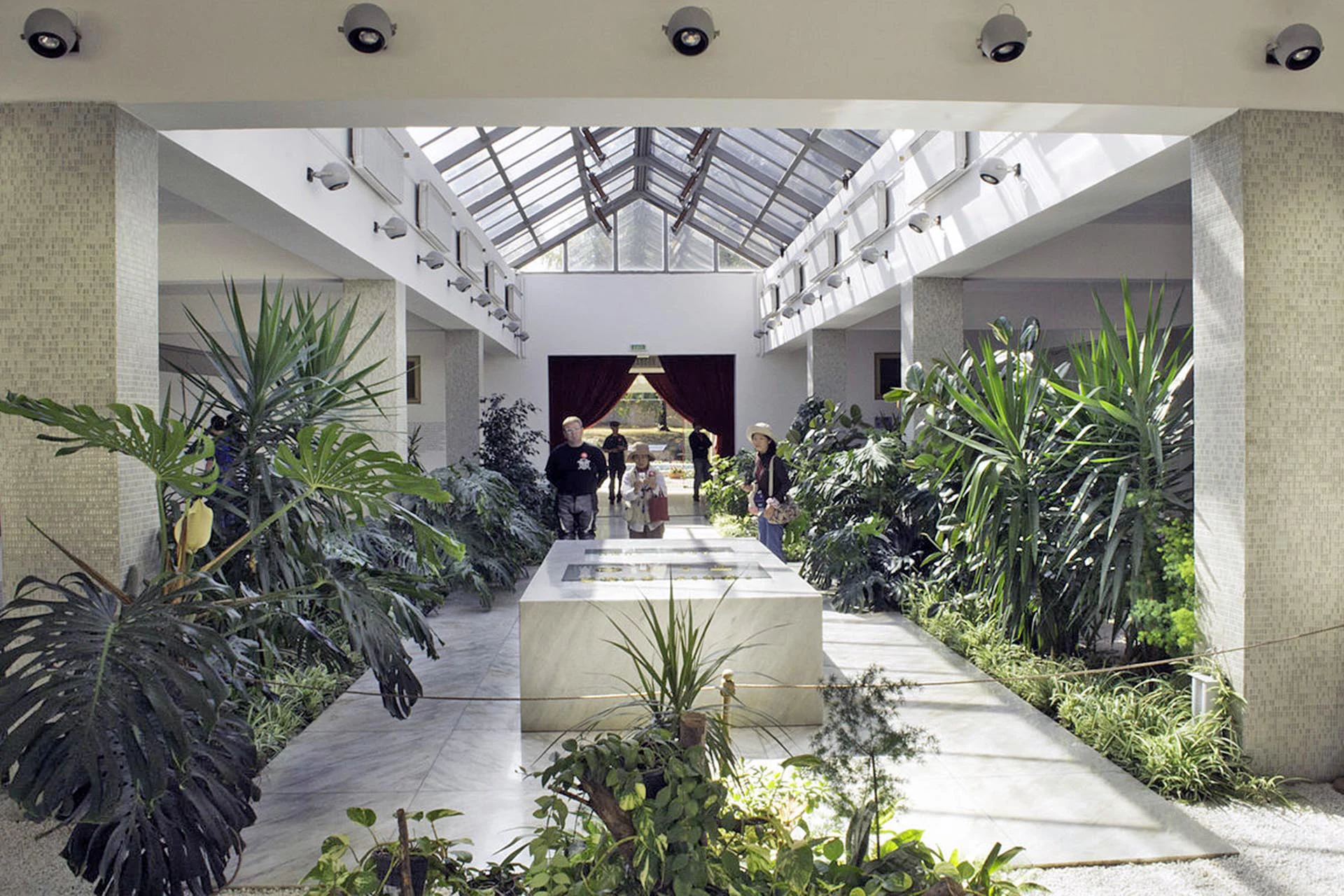
The hunting lodge, a Slovene-style wooden cabin that Slovenia gave to Tito for his 60th birthday, is now a place of exhibition of hunting trophies, hunting weapons, and numerous awards. The billiard house is an adapted building from 1932. The morning press was read there, billiards occasionally played,as well as other activities.
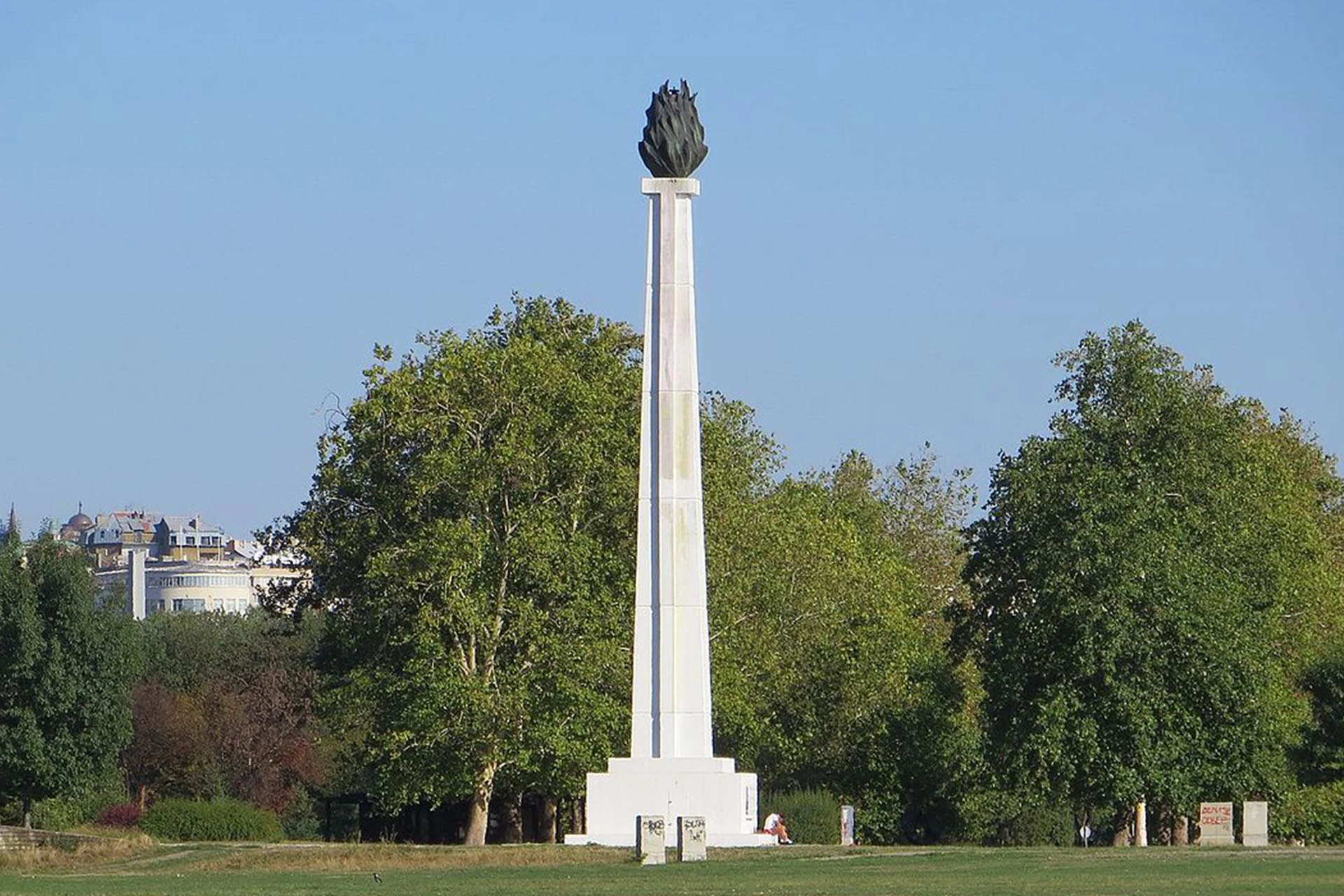
Take a bus at Zeleni Venac, get off at the second stop, and you are already in New Belgrade, the largest, most inhabited, and youngest Belgrade municipality, built after the Second World War. You will see wide boulevards, large blocks of flats, large modern buildings built by domestic and foreign firms, the most modern hotels, but you can see all this in European and other cities in the world as well. We direct your attention to the Palace “Serbia” with the “Park of Friendship”, the Sava Centre, and the Museum of Contemporary Art, because they have their own history and because they are recognisable globally. Construction of the Palace “Serbia” began in 1947 and was completed in 1961. The interior was made in accordance with the representative purpose of individual parts (with the accent of each of the former republics of the SFRY). Urbanistically speaking, the building is conceived as a pronounced building with a large square in the direction of the axis composition of the central part of New Belgrade and with a large fountain.
On the other side of the Palace facing the Danube there is the“Park of Friendship”, which covers an area of 14 hectares. Judging by its creation and its arrangement, the park was a unique place not only in the former Yugoslavia, but also in the world. On the occasion of the first conference of heads and governments of non-aligned countries, held in Belgrade in 1961, it was decided to create a park in Belgrade, where all the heads of the delegations would plant one tree. The statesmen have not planted new trees for a long time.
The Museum of Contemporary Art, at the very mouth of the Sava in the Danube, was founded in 1958. It has about 5,600 items. It has a department of art collections and exhibitions, an artistic documentation department, and a conservation and restoration department. It organises authorial, thematic, and retrospective exhibitions. The building of modern lines consists of six prisms arranged in a uniform rhythm in two parts, with a unique interior space. The museum collects the most important works of Serbian painters, graphic artists, and sculptors from the 20th and 21st centuries, as well as works by artists from all over the region. This is the only institution that chronologically and anthologically depicts the contemporary art of Serbia and the whole region.
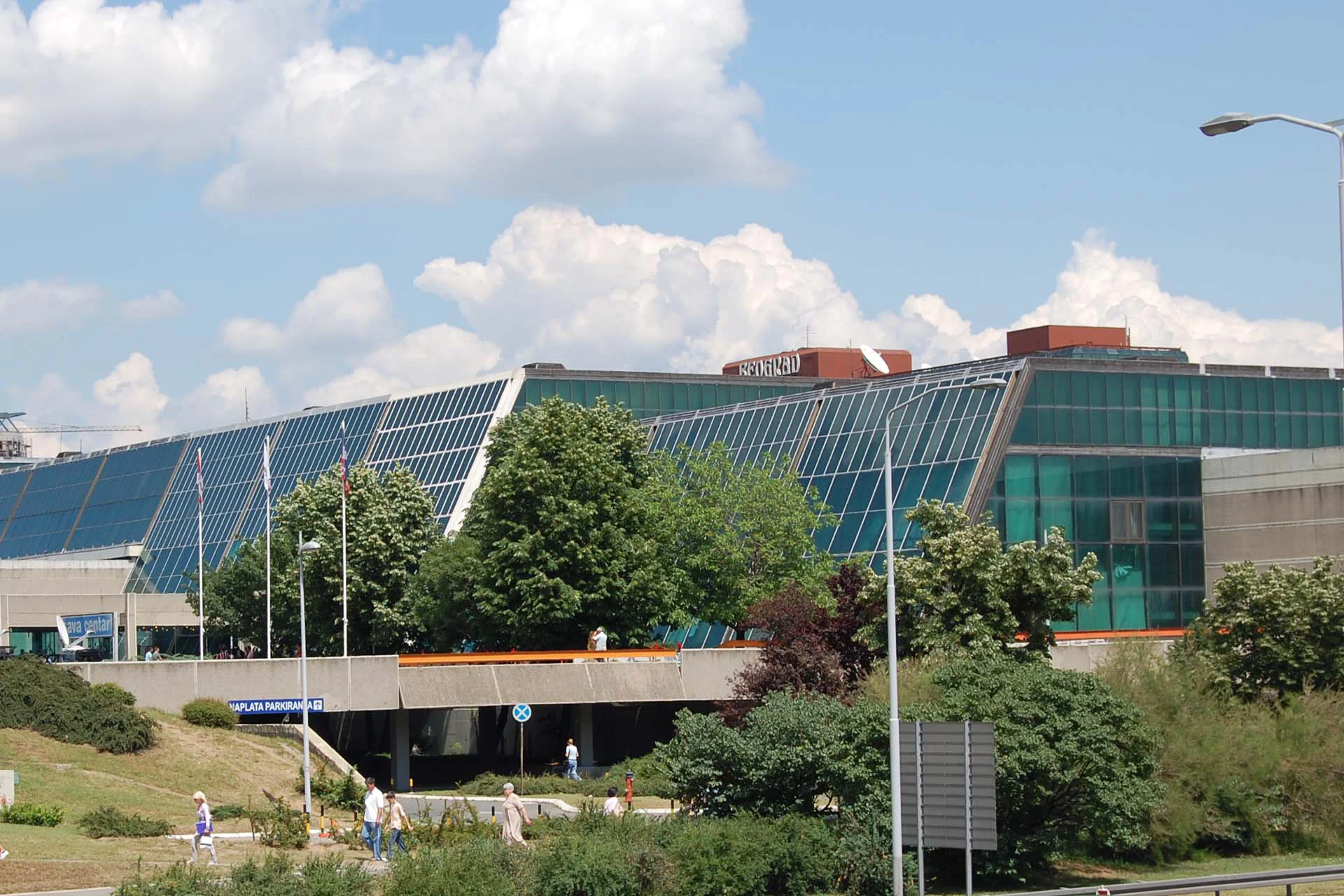
Sava Centre (Milentija Popovića 9), with a useful area of 12,000 m2, is the largest congress and cultural centre in this part of Europe. Important European and international meetings have beenheld here: the European Conference on Security and Cooperation, the Conference of Foreign Ministers of Non-Aligned Countries, the European Conference of Ministers of Transport, the Assembly of the World Bank and the International Monetary Fund, the UN session, and others. Sava Centre takes part in the congress market.
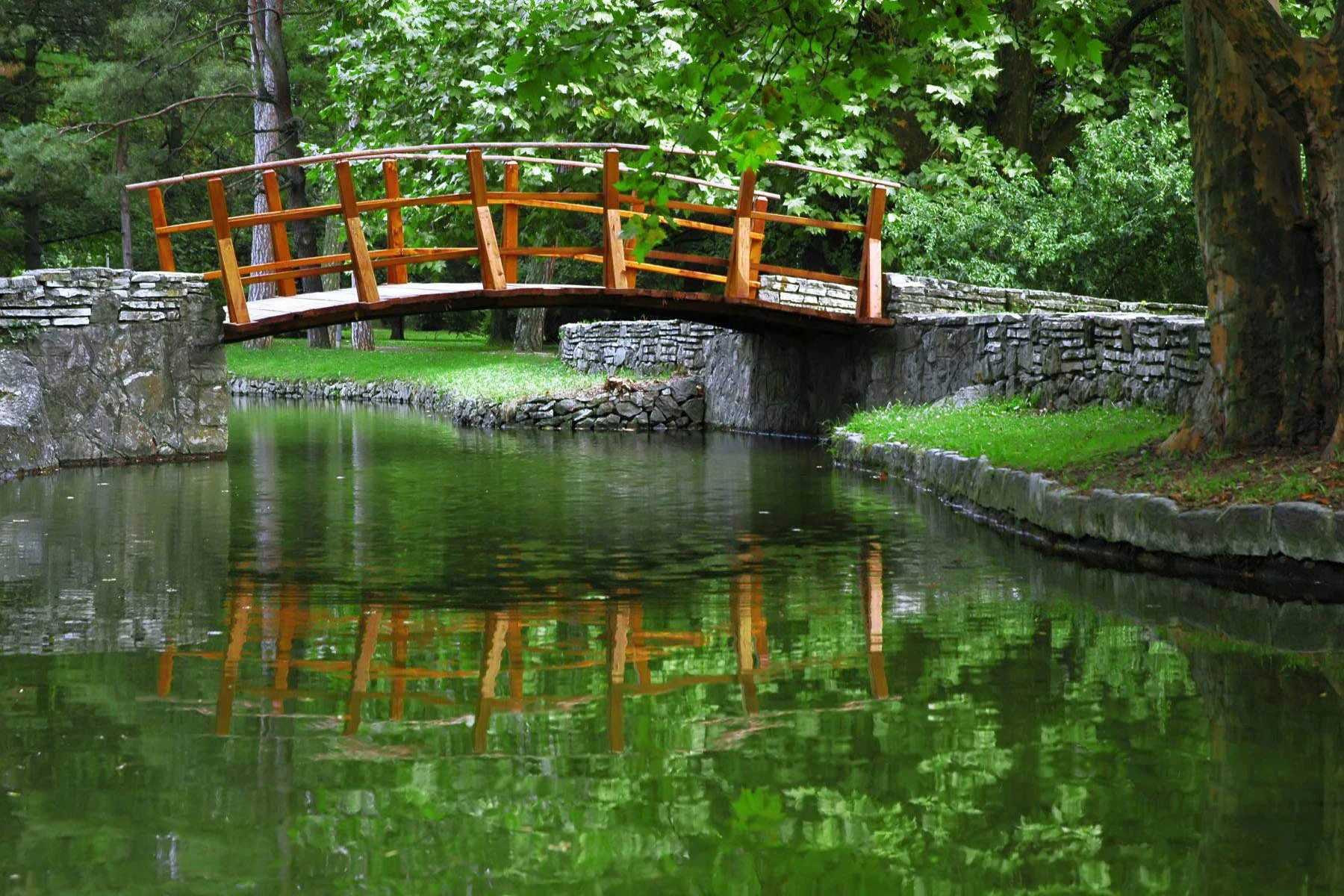
Topčider is one of the best-located Belgrade vacation areas. The area of 1,113 m2 is partly a well maintained forest, partly a park with flower beds, ornamental trees, and other supporting elements that characterise a well-organised park. In such a natural environment there is the Residence of Prince Miloš Obrenović, the old Topčider church, the Guard House, and several catering facilities that the citizens of Belgrade gladly visit.
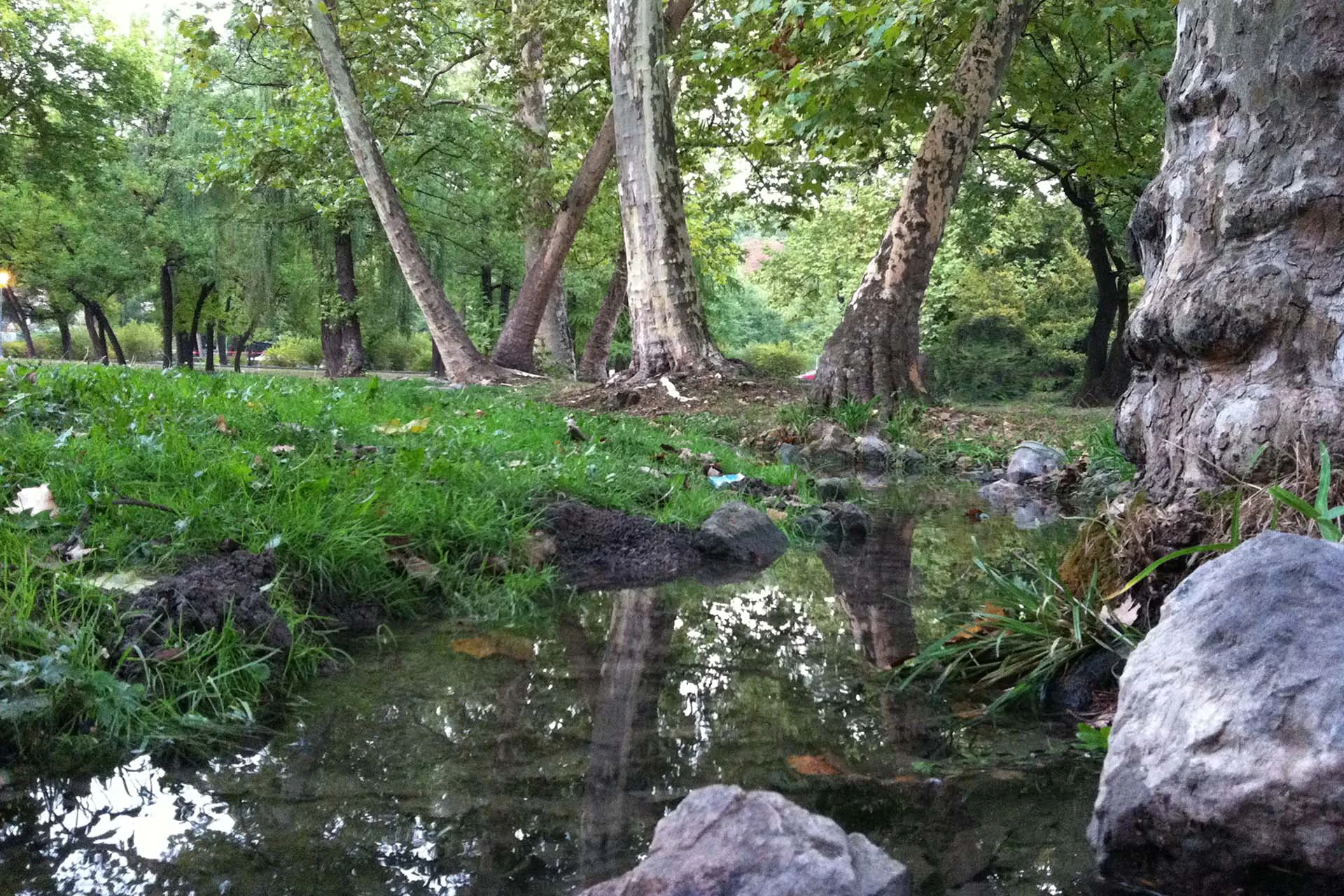
After the residence for his family in the centre of Belgrade, Prince Miloš Obrenović built this residence for himself in 1834, with a rich interior decoration of ceilings, walls, and niches, and where he died in 1860.
In this building there was a museum of Princes Miloš and Mihailo Obrenović, and in 1954 there was the Museum of the First Serbian Uprising, with a theme devoted to the entire period of the struggle with the Turks, from 1804 to the second hatt-i sharif in 1839.
In front of this old building there is one of the oldest plane trees in Europe, about 160 years old, protected as a natural rarity.
In Topčider Park you can also see the monument to Archibald Reiss, in bronze, erected in 1931, as well as “Obelisk”, in stone and bronze, built in 1865 on the occasion of the 50th anniversary of the second Serbian uprising.
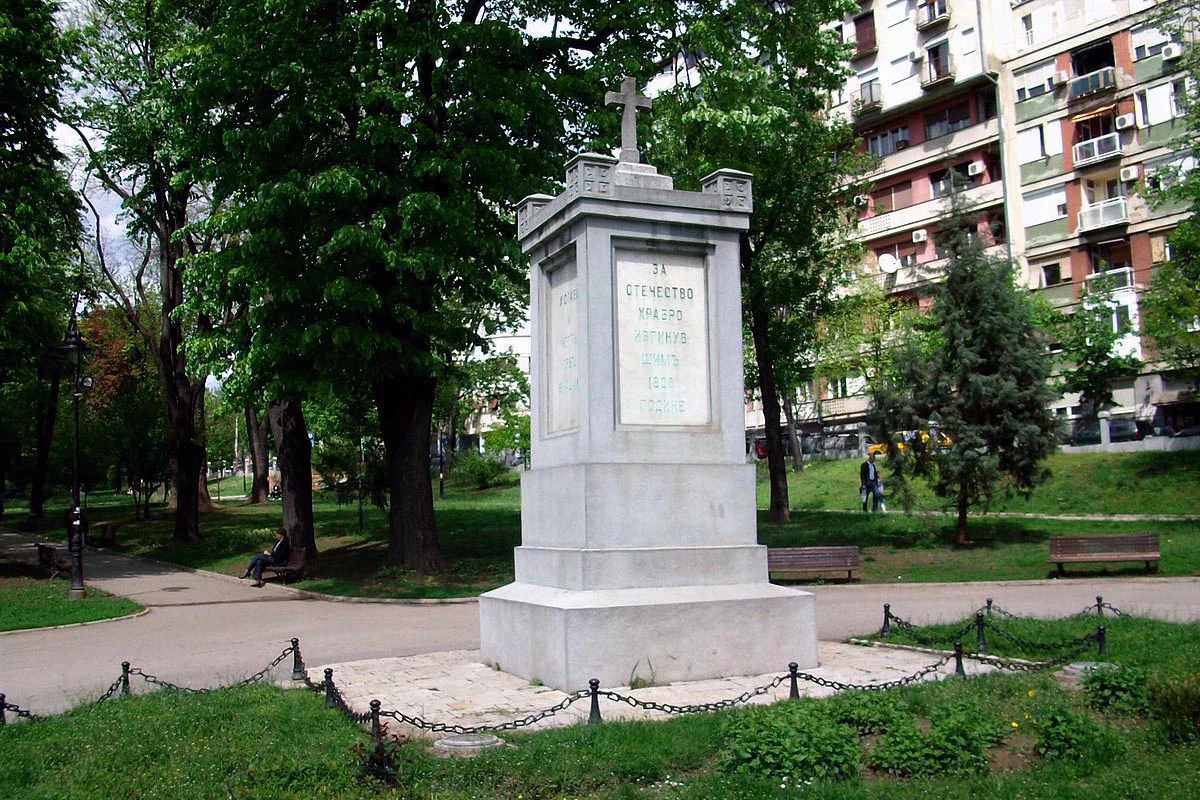
The monument to the liberators of Belgrade of 1806 is located in Karađorđe’s park. It was built by Prince Aleksandar Karađorđević in 1848, and in 1889 King Aleksandar Obrenović renewed it. This is the oldest public monument in Belgrade.
You could certainly visit: The First Town Hospital (19 Džordža Vašingtona Street) was built in 1866 as a “hospital of the town and the district of Belgrade”, which practically served for the treatment of the entire population of the Principality of Serbia. Mihailo Obrenović donated the land for its construction, and Princess Julija organised a committee for the collection of voluntary contributions on the territory of Belgrade and the entire Principality. From the beginning, to this date, it serves medical purposes.